
Vancouver, BC Live Wildfire Smoke Map
Get Alerts For Wildfires In Your Area
The moment a wildfire starts near you, you'll get an instant alert and simple tips to reduce your smoke exposure.
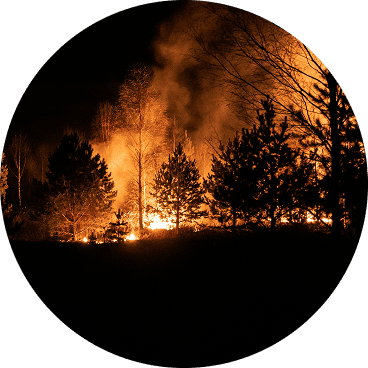
What's In The Smoke
30xSmaller than a human hair
Fine enough to reach deep into the lungs. A MERV 13 is built to capture it.
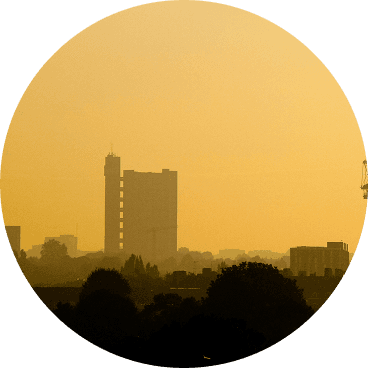
How Far It Travels


It Doesn't Stay Local
Smoke rides the wind far downwind — you can get smoky air with no fire nearby.
What To Do During A Smoke Event
Simple steps to reduce indoor exposure.
- Stay In, Close UpShut windows and doors to keep smoke out.
- Set Fan To "On"Keeps air cycling through your filter, not just when heating or cooling.
- Recirculate AirSwitch off fresh-air intake so you're not pulling smoke in.
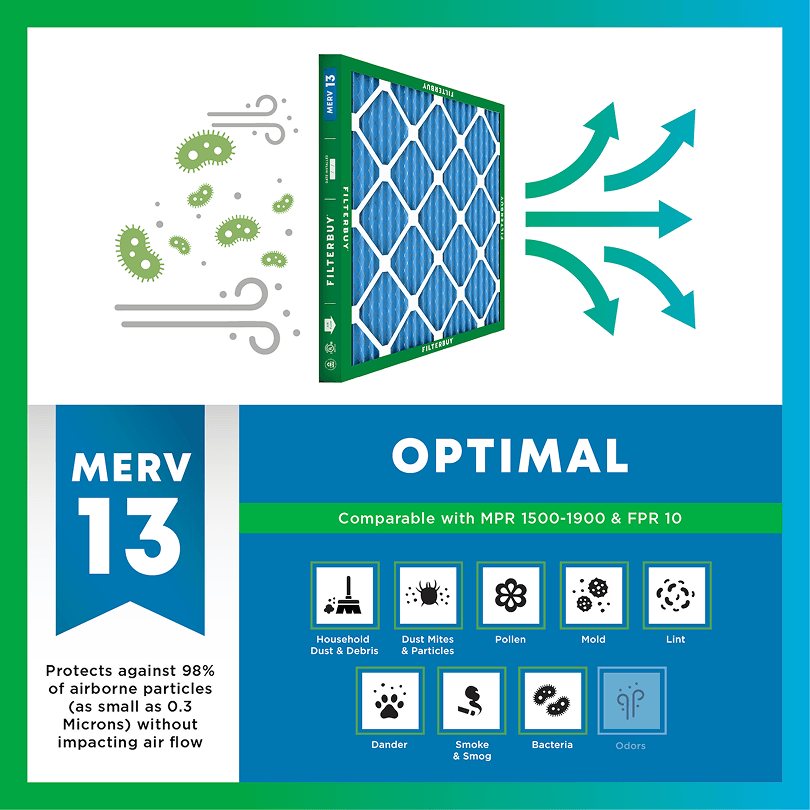
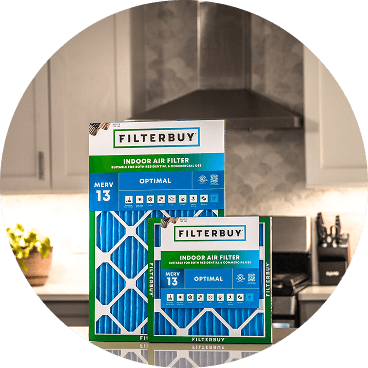
- Run A MERV 13Built to capture the fine PM2.5 in smoke.
- Add A PurifierExtra filtration for the room you use most.
- Wear an N95 if OutsideFits snug to block fine particles — a cloth mask won't.


The Best Air Filter For Wildfire Smoke
During smoke events, the EPA recommends upgrading to a MERV 13 filter — or the highest-rated filter your system can handle — to help reduce the fine particles smoke brings indoors. MERV 13 is the level most home HVAC systems can run while still capturing PM2.5, the fine particulate that makes up the bulk of wildfire smoke.
- Captures PM2.5 particles
- Blocks ash, soot, and smoke odor
- Keeps your indoor air safe—even when the outdoor air is dangerous
- Meets the EPA's recommended rating for filtering fine wildfire smoke particles.

Wildfire Smoke FAQs
Facts About Wildfires
Over 70,000 wildfires burn in the U.S. every year.
Wildfire smoke can travel 1,000+ miles, affecting states that aren't even near the blaze.
Exposure to wildfire smoke can worsen asthma, trigger heart issues, and lead to ER visits.
Indoor air can hold more fine particles during wildfire events unless it's properly filtered.
The EPA advises using MERV 13 filters or portable HEPA air cleaners during wildfire smoke events.
Don't Wait Until The Smoke's Inside.
Use the live wildfire smoke tracker and upgrade your air filters today to protect your lungs and your home.
Shop Filters For Smoke Protection
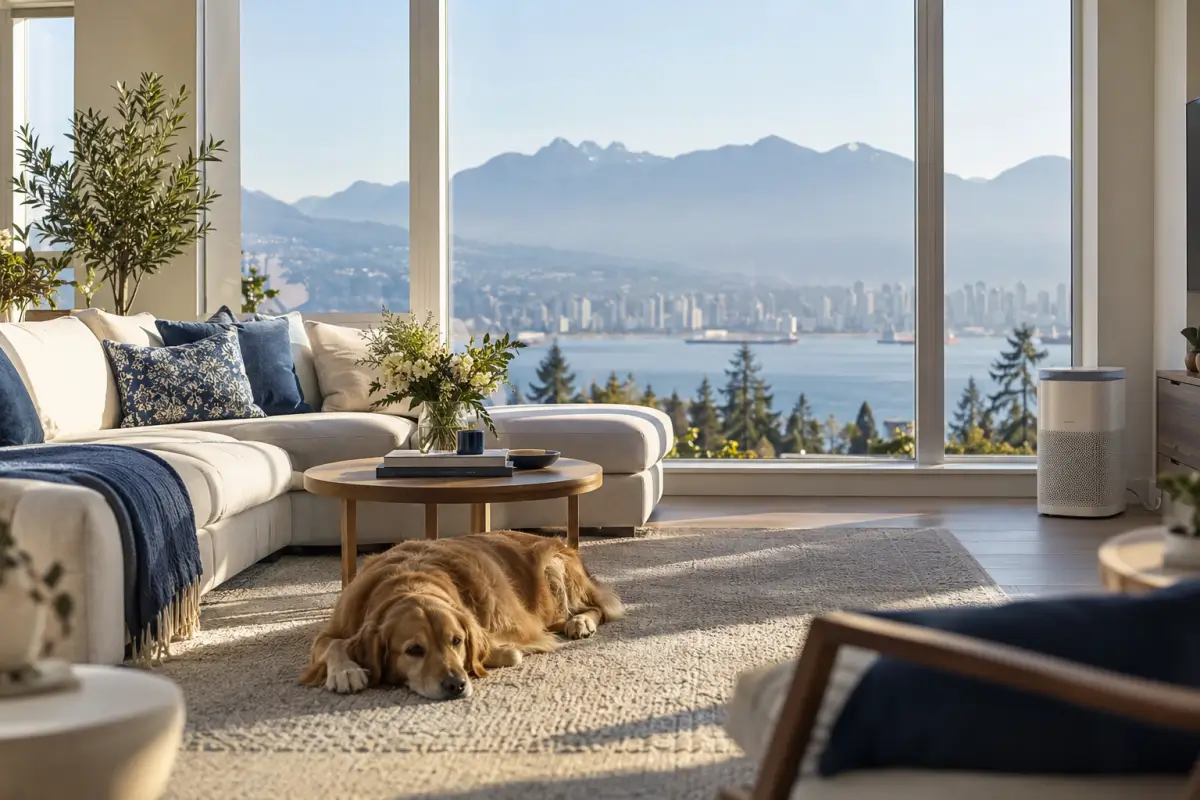
Live Vancouver, BC Forest Wildfire & Smoke Map Today: Local Air Quality Tracking & Indoor Protection Solutions
By Michelle Wan, Brand Manager and Air Quality Writer, Filterbuy · Reviewed by David Clark, Licensed HVAC Technician and CEO of Filterbuy HVAC Solutions · Published 24 September 2026 · Updated 24 September 2026
TL;DR
To see where wildfires are burning near Vancouver, BC, use the BC Wildfire Service map. To see where smoke is heading, use the FireSmoke Canada (BlueSky) forecast. To see what you're breathing right now, check Metro Vancouver's AirMap and the Air Quality Health Index (AQHI). When smoke arrives, put a MERV 13 filter in your HVAC, set the fan to "On," run a portable HEPA air cleaner in each occupied room and keep windows closed.
Key Takeaways
• Fire location, smoke direction and current air quality each have their own official map.
• Metro Vancouver issues air quality warnings: yellow for high risk, orange for very high risk.
• On the AQHI scale, 1–3 is low risk and 10+ is very high.
• EPA notes that most furnaces and HVAC systems can take a MERV 13 filter when it gets replaced often.
• In a condo without ducted heat, a box fan paired with a 20x20x1 MERV 13 filter makes a simple, BCCDC-described room air cleaner.
From Our Team: Why We Built This Page
At Filterbuy, we've built air filters in our U.S. facilities for more than a decade. We don't fight fires or forecast smoke, so every map here comes from the agencies that do. Our part is the air inside your home. Because we sell filters, the health guidance here comes from BCCDC and Vancouver Coastal Health.
"I don't want anyone to feel like they need an HVAC license just to pick the right filter."
Michelle Wan, Brand Manager and Air Quality Writer, Filterbuy (author profile)
Where Can I See a Live Wildfire and Smoke Map for Vancouver, BC Today?
The most reliable live maps for Vancouver come from official agencies. The BC Wildfire Service map shows active fires, FireSmoke Canada forecasts where smoke will drift, and Metro Vancouver's AirMap reports the air you're breathing now. Use all three together.
Table 1: Which official map answers which question
Official government sources only. Always follow evacuation orders and instructions from your local government.
AirMap shows hourly readings from monitoring stations between Horseshoe Bay and Hope, plus a two-day AQHI forecast. Environment and Climate Change Canada's FireWork maps model smoke movement over the next 72 hours. The Canadian Wildland Fire Information System (CWFIS) maps national hot spots.
Is There a Forest Fire in Vancouver, BC Right Now?
Large forest fires inside the City of Vancouver are uncommon. Most smoke here drifts in from the BC Interior and Washington State, and sometimes from Vancouver Island. Zoom the BC Wildfire Service map to the Lower Mainland, then check AirMap to see whether smoke is reaching your area.
In early August 2026, an Environment Canada meteorologist traced the haze over Vancouver mainly to the Clinton and Boston Bar fires, far inland. See our Victoria, BC wildfire and smoke map or British Columbia wildfire and smoke map.
Smoke levels vary widely across the region, so check our Surrey, BC wildfire and smoke map for conditions south of the Fraser.
If you spot an unreported wildfire, call the BC Wildfire Service at 1-800-663-5555, or dial *5555 from a cell phone, as listed on EmergencyInfoBC.
How Do I Read the AQHI and Smoke Readings on the Map?
The Air Quality Health Index (AQHI) is Canada's 1-to-10+ scale for the health risk of outdoor air, and lower numbers mean cleaner air. During wildfire season, the reading that matters most is PM2.5, the tiny particles in smoke.
According to Vancouver Coastal Health, these tiny particles travel deep into the lungs and can enter the bloodstream, which is why health authorities use PM2.5 to track smoke.
What to do at home at each AQHI level
• AQHI 1–3 (low risk): Keep your normal filter routine and air out the house.
• AQHI 4–6 (moderate risk): Get ready. Put a MERV 13 filter in before smoke arrives and keep spares on hand.
• AQHI 7–10 (high risk): This is Filterbuy's action line. Take these four steps:
1. Put a MERV 13 filter in your HVAC system. This is the whole-home layer.
2. Set the thermostat fan to "On." "Auto" only filters while heating or cooling.
3. Run a portable HEPA air cleaner in each occupied room, bedrooms first.
4. Close windows and doors, and turn down HRV outdoor air. Skip candles, frying, smoking and vacuuming while smoke is in.
• AQHI 10+ (very high risk): Follow Metro Vancouver, Vancouver Coastal Health and BCCDC wildfire smoke guidance first. Keep the four steps running, focus on one cleaner-air room and check your filter more often. Filtration is one layer of protection, not the whole answer.
These are home-equipment steps, not medical advice. If you have chest pain or trouble breathing, call 911.
AQHI and AQI are different scales. Many weather apps show the U.S. Air Quality Index (AQI, 0 to 500). If yours does, Filterbuy's action line is AQI 100. That number is still the top of the Moderate category on the U.S. scale; it's simply where we tell customers to act. For local decisions, use Canada's AQHI.
How Do I Protect the Air Inside My Vancouver Home from Wildfire Smoke?
Keep smoke out, then filter what gets in. The right setup depends on your type of home.
Houses and Townhomes with a Forced-Air Furnace
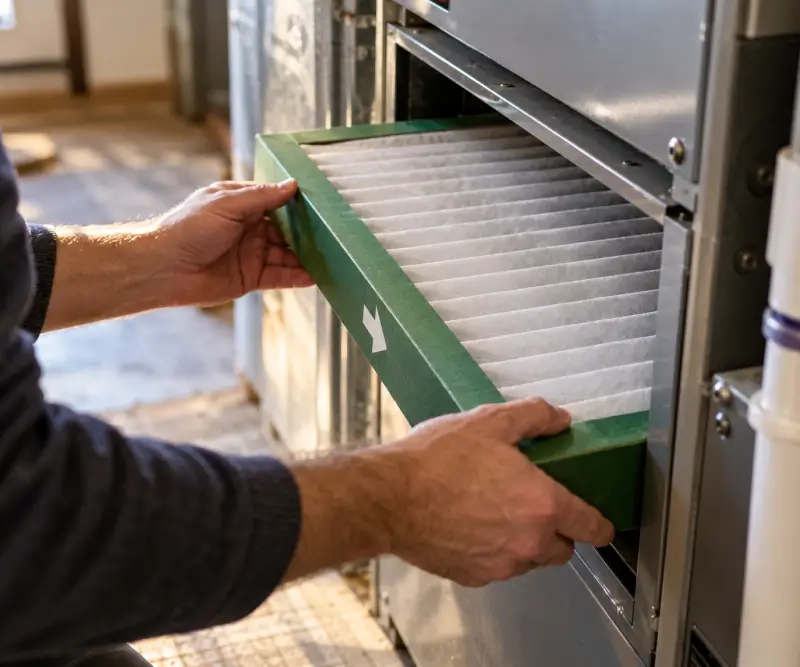
Set the thermostat fan to "On" rather than "Auto" so air keeps moving through the filter, and install a MERV 13 filter. EPA recommends a filter rated MERV 13 or higher in a central system during smoke events, and notes that most furnaces can take one when it gets replaced often. Then add a portable HEPA air cleaner in each occupied room. The two do different jobs: MERV 13 treats the whole house, and the portable unit treats one room harder. From Filterbuy's side of the factory floor, two details matter most:
1. Fit beats rating. A gap around the frame lets smoke slip past any filter. Measure the filter you're replacing, not the slot.
2. Smoke shortens filter life. Filterbuy pleated filters are built for about 90 days of normal use, but smoke loads them faster. Check yours during every smoke event and replace it when it looks dark brown or black, which can be well before the normal interval. Keep spares on hand.
Condos and Apartments Without Ducted Heat
Many Vancouver condos have no furnace filter, so portable HEPA air cleaners are your primary defence, not a backup. Run one in each occupied room. EPA advises choosing a unit whose smoke CADR (clean air delivery rate) is at least two-thirds of the room's square footage, so a 28 m² (300 sq ft) bedroom needs a smoke CADR of about 200. Skip ionizers and any cleaner that produces ozone, which EPA advises against.
A box-fan filter is a reasonable stopgap, though not a replacement for a certified air cleaner. EPA research found the design cuts smoke concentrations. The BCCDC design uses a 20" x 20" box fan and one or two 20" x 20" MERV 13 filters; Filterbuy's 20x20x1 measures 19.5 x 19.5 x 0.75 inches. Use a certified fan from 2012 or newer, and never leave it running unattended.
Renters
Your furnace filter is usually easy to reach. Ask your landlord about switching to MERV 13, and run a portable HEPA air cleaner in each occupied room.
Lingering Smoke Smell
Pleated filters capture particles. Smoke odour is a gas, so a pleated filter won't remove it. For household odours, Filterbuy's ladder points to the Odour Eliminator line, a carbon-infused filter used alongside your particle protection, not instead of it.
Your Vancouver Smoke-Season Checklist: Before, During and After
Good timing prevents most smoke-day problems.
Before smoke season (by early June):
• Note your filter size and depth while the air is clear.
• Keep two or three spare MERV 13 filters on hand.
• Bookmark the BC Wildfire Service map and AirMap on your phone.
During a smoke event:
• Watch the heat. BCCDC notes overheating can be a bigger risk than smoke, so never seal up a room that is too hot.
• A low-cost particle sensor shows whether indoor air is improving.
After the smoke clears:
• Replace the filter if it looks dark brown or black.
• Air out the house once the AQHI is back to 1–3.
Supporting Statistics: Smoke and Indoor Air Research
Three research findings explain why indoor air comes first.
90% of time is spent indoors
• Americans spend about 90% of their time indoors, according to the U.S. EPA.
• Some pollutants are 2 to 5 times more concentrated indoors than outdoors.
Source: U.S. EPA, Report on the Environment: Indoor Air Quality (updated 27 May 2026)
Up to 10% more respiratory hospitalizations
• In a NOAA-funded 2021 Southern California study, each 10 µg/m³ rise in wildfire PM2.5 was linked to a 1.3–10% increase in respiratory hospitalizations.
• The same rise in PM2.5 from other sources was linked to just 0.67–1.3%.
Source: Aguilera et al., Nature Communications (2021), NOAA Institutional Repository
65% less indoor smoke with HEPA filtration
• In smoke-affected southern BC homes without filtration, indoor smoke particles reached about 61% of outdoor levels.
• A portable HEPA air cleaner cut that infiltration by 65% on average.
Source: Barn et al., Journal of Exposure Science and Environmental Epidemiology (2008), FRAMES record · PubMed abstract
Which Filterbuy Filter Is Right for Smoke Season?
MERV 13 (Optimal) is the tier Filterbuy recommends for wildfire smoke. It captures the finest particles in our lineup. Outside smoke season, MERV 8 or 11 suits many homes, and our guide to MERV ratings explains the full scale. We recommend a tier, not a single product: choose MERV 13 in your filter size.
Table 2: Filterbuy filter comparison for smoke season
Most furnaces and HVAC systems can take a MERV 13 filter when it gets replaced often. Confirm your filter size and depth, the same quick fit check you'd do for any filter.
Filterbuy makes every filter in company-owned U.S. facilities, backed by 85,000+ five-star reviews, and ships every order free to Canada with no minimum. Choose from 600+ sizes, including the 20x20x1 for BCCDC's box-fan design, plus custom sizes. Subscribe and Save lets you edit, skip or cancel anytime.
Frequently Asked Questions
Glossary
• AQHI (Air Quality Health Index): Canada's 1-to-10+ scale for the health risk of outdoor air. Low numbers mean low risk.
• PM2.5: Fine particles 2.5 micrometres or smaller, the main pollutant in wildfire smoke.
• MERV (Minimum Efficiency Reporting Value): A rating for how well an HVAC filter captures particles; higher numbers capture finer ones.
• HRV (heat recovery ventilator): A system, common in Canadian homes, that exchanges indoor and outdoor air.
Related guides: British Columbia wildfire and smoke map · Canada wildfire and smoke map · Surrey, BC wildfire and smoke map · Victoria, BC wildfire and smoke map · MERV 13 vs. HEPA for wildfire smoke