Shop by
The moment a wildfire starts near you, you'll get an instant alert and simple tips to reduce your smoke exposure.
30xSmaller than a human hair
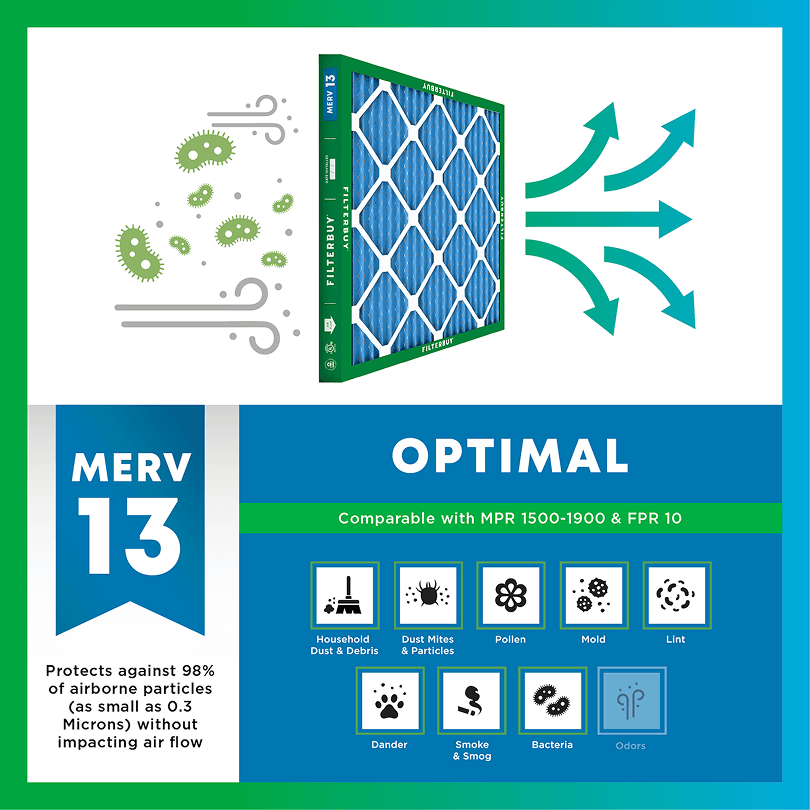
Fine enough to reach deep into the lungs. A MERV 13 is built to capture it.
It Doesn't Stay Local
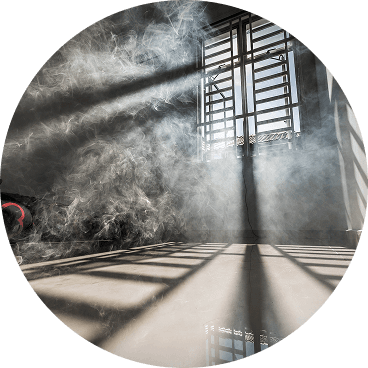
Smoke rides the wind far downwind — you can get smoky air with no fire nearby.
Simple steps to reduce indoor exposure.
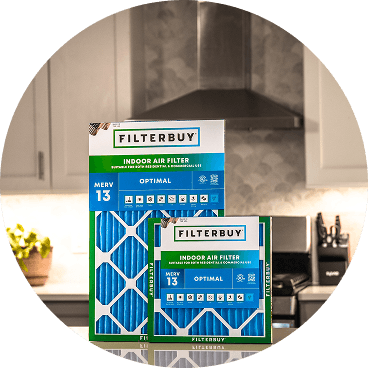
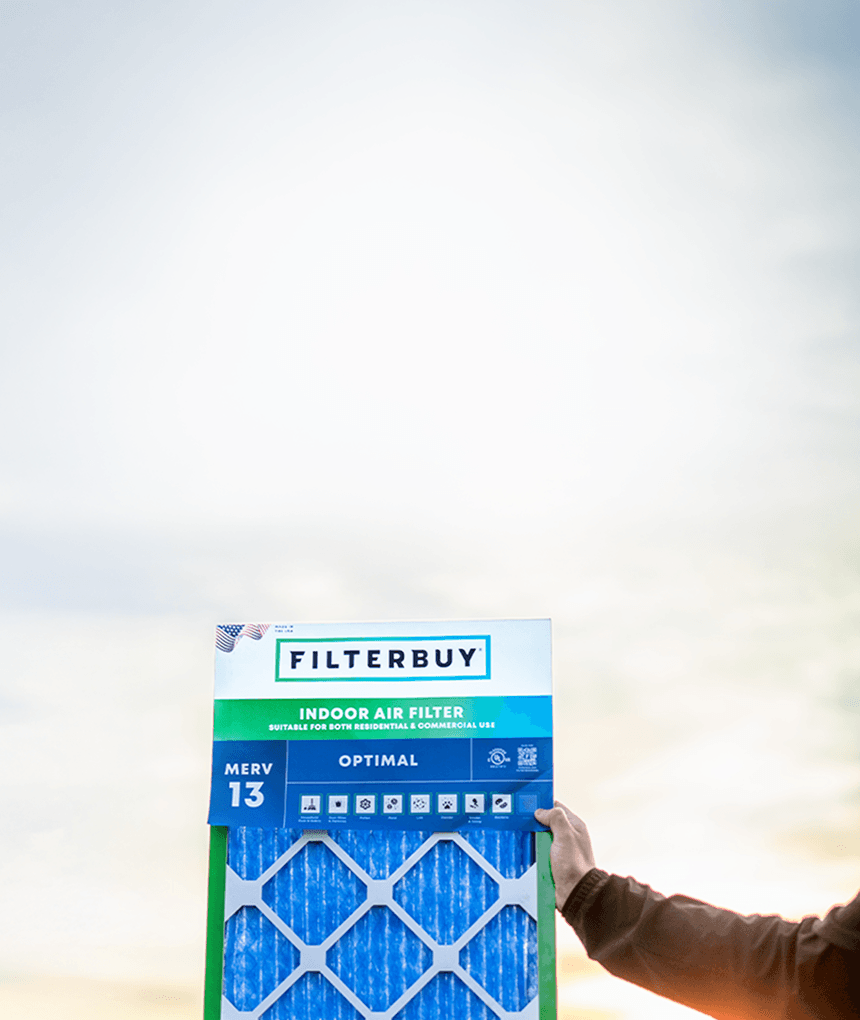
During smoke events, the EPA recommends upgrading to a MERV 13 filter — or the highest-rated filter your system can handle — to help reduce the fine particles smoke brings indoors. MERV 13 is the level most home HVAC systems can run while still capturing PM2.5, the fine particulate that makes up the bulk of wildfire smoke.
Over 70,000 wildfires burn in the U.S. every year.
Wildfire smoke can travel 1,000+ miles, affecting states that aren't even near the blaze.
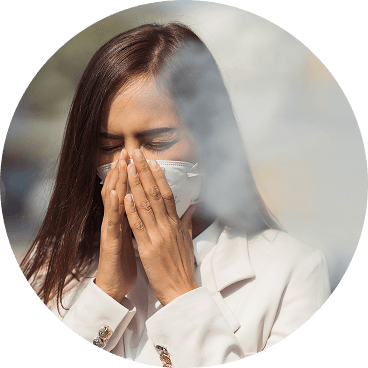
Exposure to wildfire smoke can worsen asthma, trigger heart issues, and lead to ER visits.
Indoor air can hold more fine particles during wildfire events unless it's properly filtered.
The EPA advises using MERV 13 filters or portable HEPA air cleaners during wildfire smoke events.
Use the live wildfire smoke tracker and upgrade your air filters today to protect your lungs and your home.
Shop Filters For Smoke Protection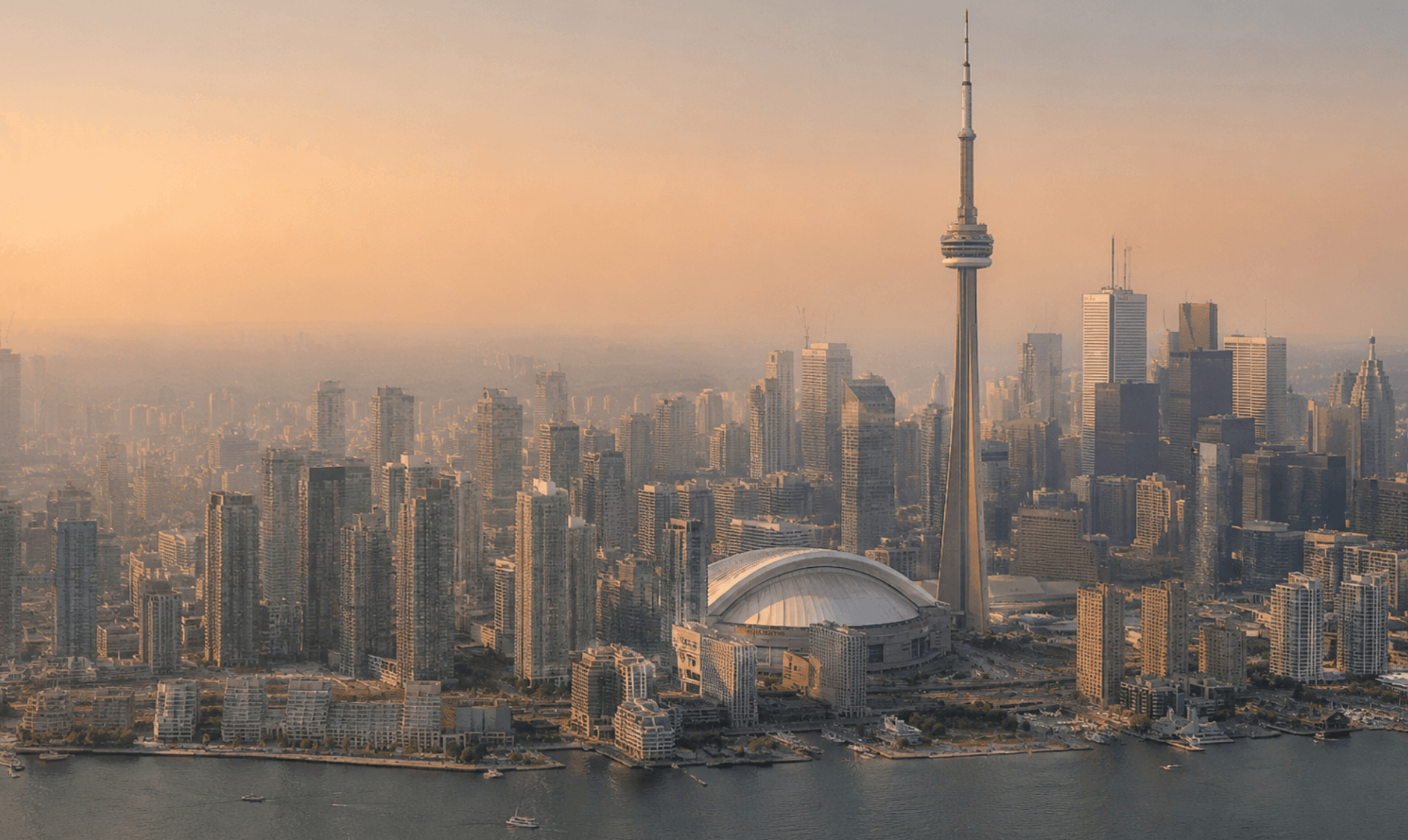
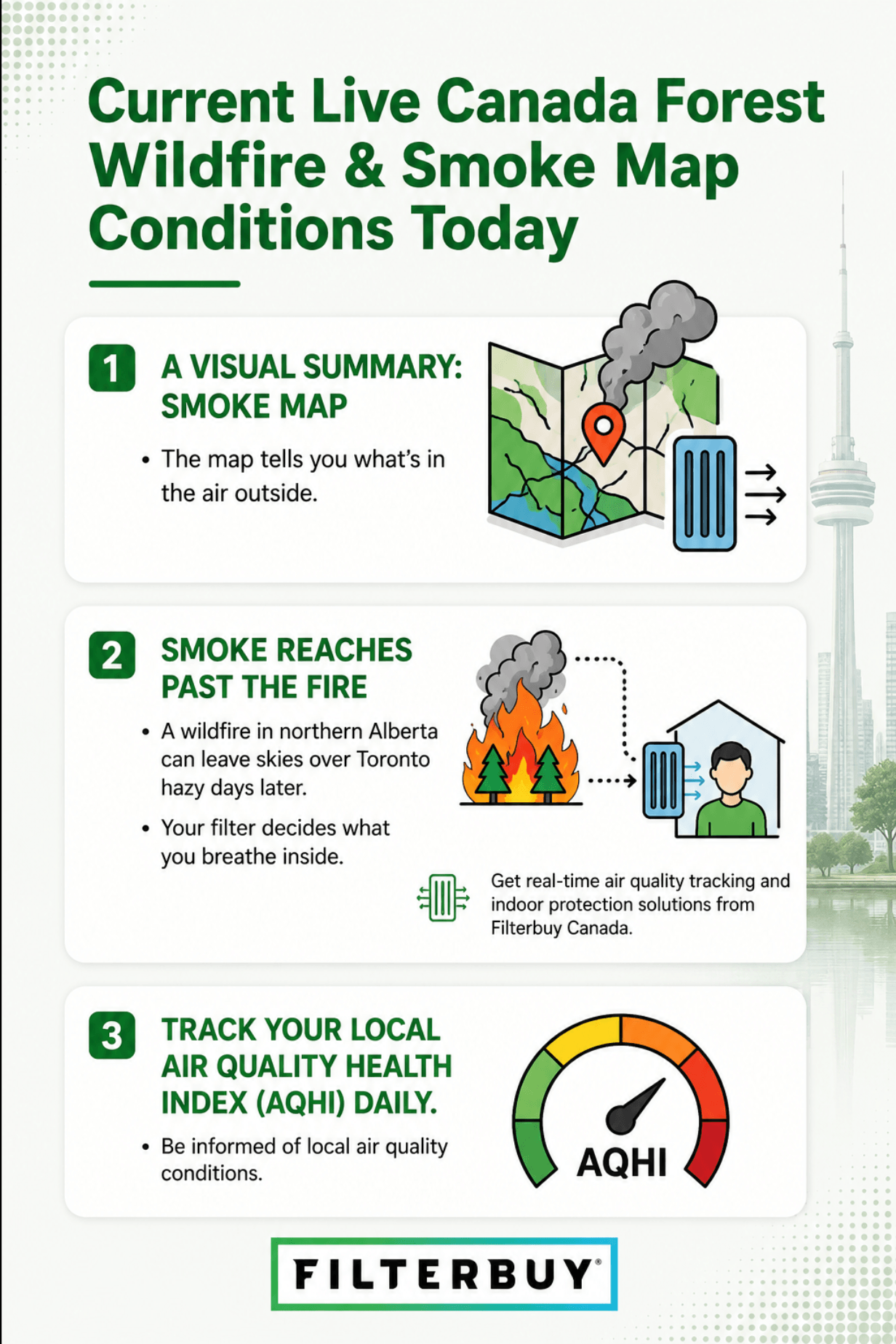
A wildfire in northern Alberta can leave the skies over Toronto hazy three days later. Smoke travels that far, which is why this page follows two things at once: where fires are burning across Canada right now, and where the smoke is heading next.
Check the live map for your province, then look up your local Air Quality Health Index (AQHI). Together they tell you what you're actually breathing before you head out the door. You can't move a fire or steer the wind, but the air inside your home is something you can keep clean, and it doesn't take much. Canadian furnaces run hard for months at a stretch, and wildfire seasons keep starting earlier and lasting longer, so getting set up early is worth the small effort.
For a current, live look at forest wildfire and smoke conditions across Canada today, check two official sources that update continuously: the Canadian Wildland Fire Information System (CWFIS) for active fires, and FireSmoke Canada (BlueSky Canada) for where the smoke is heading over the next 24 to 72 hours.
• Fires right now: the CWFIS interactive map (Natural Resources Canada), with CIFFC for the national situation.
• Smoke forecast: FireSmoke Canada and Environment Canada's FireWork, which map fine smoke particles (PM2.5) by the hour.
• What you're breathing: look up your local Air Quality Health Index (AQHI), the 1 to 10+ scale from Environment Canada. Smoke can reach you even when no fire is nearby, so watch the AQHI, not just the flames.
• Indoors: during a smoke event, keep the windows closed and run your furnace fan with a MERV 13 (Optimal) filter.
The brand insight worth keeping in one line: the map tells you what's in the air outside, and your filter decides what you breathe inside.
• Smoke reaches far past the fire. You don't need flames nearby to be breathing wildfire smoke, so watch the AQHI, not just the map.
• Indoor air is the part you control. The fire and the wind are out of your hands, but the air in your living room isn't.
• MERV 13 is the smoke-season pick. It catches fine smoke particles, and an Odour Eliminator filter handles smoke smell that lingers.
• Change filters more often when the air is poor. Heavy smoke clogs a filter faster than usual, so check it monthly through smoky stretches.
• Get set up before the smoke arrives. The homes that cope best weren't scrambling mid-week. They were ready.
The fire layer marks satellite-detected hotspots and confirmed fire perimeters. Tap any fire to see its size and current status. The smoke layer shows where wildfire smoke will likely drift over the coming days. If the layers look unfamiliar, our guide on how to read a wildfire smoke map walks through them in plain language.
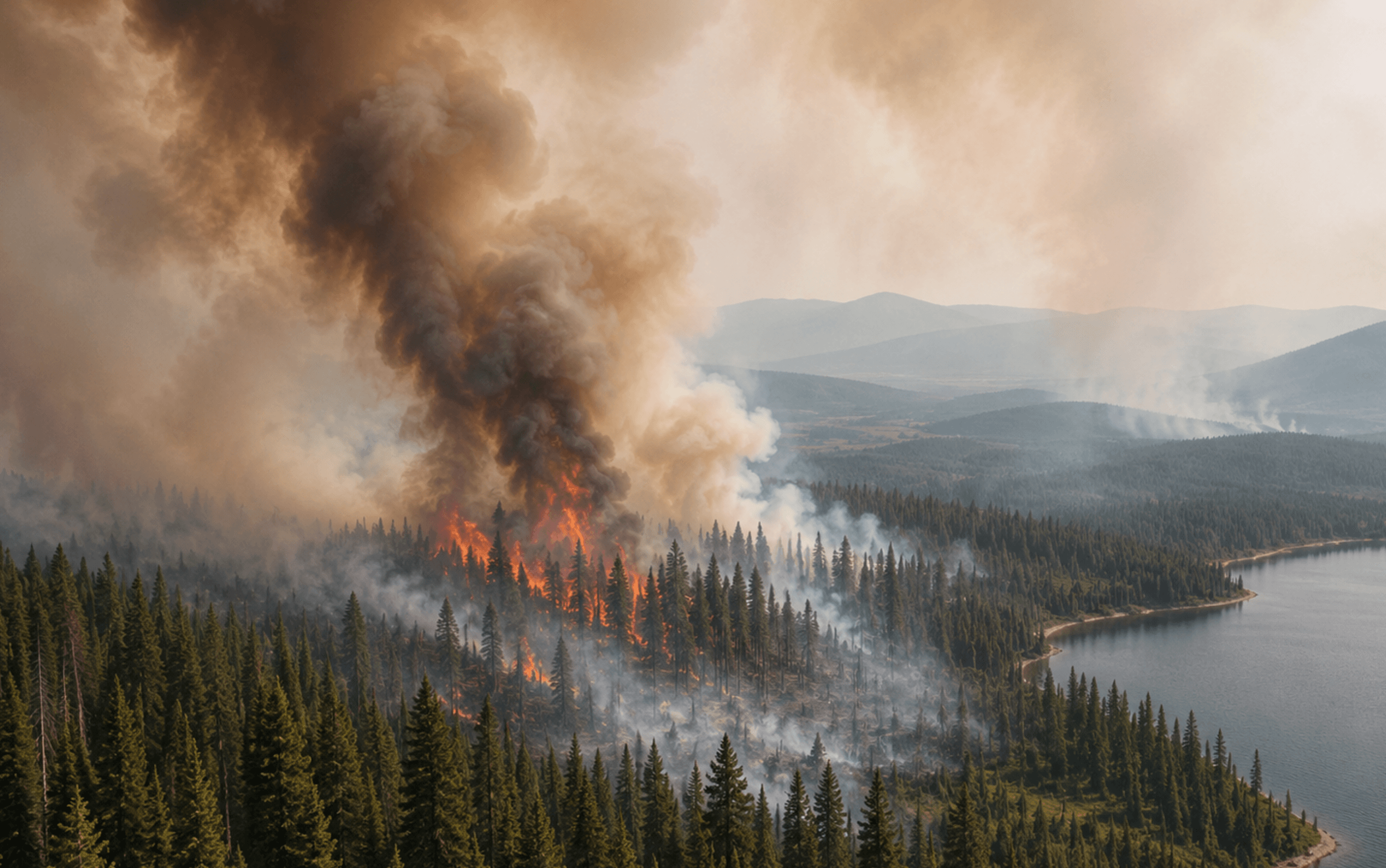
Wildfire smoke carries fine particles called PM2.5, small enough to slip indoors through gaps, doorways, and your HVAC intake. That's why a closed-up house can still smell smoky or feel hazy. A good furnace filter is one of the simplest defences you have. As the furnace fan moves air through the system, the right filter catches those fine particles and your indoor air stays cleaner.
1. Keep windows and doors shut during a smoke event, and set your HVAC to recirculate.
2. Run the furnace fan so air keeps passing through the filter, even when you don't need heat.
3. Fit a MERV 13 (Optimal) filter to catch fine smoke particles. Filter sizes stay in inches, like 20x25x1, the standard across North America.
4. Add an Odour Eliminator filter if smoke smell lingers, and swap filters more often while the air stays poor.
We've worked through plenty of smoke seasons with Canadian households, and one habit sets apart the homes that breathe easy: they close the windows, keep the furnace fan running, and put a fresh MERV 13 filter in before the smoke arrives, instead of scrambling once the air has already turned.
— Filterbuy.ca Team
Trusted, official sources for tracking fires, smoke, and air quality across Canada. Bookmark the ones that matter for your region.
• Canadian Wildland Fire Information System (CWFIS) interactive fire map. Natural Resources Canada's national map of active fires, hotspots, and fire danger. Visit: Open the interactive map
• Canadian Interagency Forest Fire Centre (CIFFC) situation report. The daily national read on active fires and how stretched firefighting resources are. Visit: Read the CIFFC situation report
• FireSmoke Canada (BlueSky Canada). Smoke forecasts showing where PM2.5 is likely to drift over the next two to three days. Visit: View FireSmoke Canada
• Government of Canada Air Quality Health Index (AQHI). Current AQHI, forecasts, and wildfire-smoke health guidance for communities across Canada. Visit: Check the AQHI on Canada.ca
• British Columbia air quality map. B.C.'s live air-monitoring map, refreshed hourly. Handy in a province that sees a lot of fire. Visit: Open the B.C. air quality map
• Alberta Air Quality Health Index resources. Alberta's AQHI information, alerts, and smoke-forecast links. Visit: See Alberta's AQHI resources
• The Canadian Lung Association: forest fires and lung health. Practical, health-focused advice for breathing easier during smoke, especially if you live with asthma or COPD. Visit: Read the lung-health guidance
A few figures that put Canada's wildfire seasons, and the case for clean indoor air, in context.
Canada's 2023 wildfire season burned about 16.5 million hectares, more than double the previous record and close to seven times the historical average. It was the most destructive season on record.
Source: Canadian Climate Institute — Climate change and wildfires in Canada
Researchers estimate that chronic exposure to smoke from the 2023 Canadian wildfires was linked to roughly 8,300 premature deaths in Canada, a reminder that smoke affects health far from the flames and that cleaner indoor air matters.
Source: Nature — Long-range PM2.5 pollution and health impacts from the 2023 Canadian wildfires
Across 2013 to 2023, more than 80% of Canada's population breathed an average seasonal wildfire-smoke PM2.5 level of at least 1.0 µg/m³ each year. Wildfire smoke is now a routine part of Canadian air.
Source: GeoHealth — Health Impact Analysis of Wildfire Smoke-PM2.5 in Canada (2019–2023)
Wildfire smoke has gone from a rare event to a near-yearly part of Canadian summers, and the maps here exist to keep you informed without the alarm. Our take is straightforward: getting ready beats reacting. You can't change the weather or move a fire, but you can genuinely improve the air inside your home, and the effort is small.
Close the windows when the smoke rolls in, let the furnace fan do its quiet work, and start the season with a capable filter already in place. It's a small, sensible habit that earns its keep on the smoky days, and one you'll be glad you sorted out ahead of time.
1. Check the live maps above and look up your local AQHI before you plan your day.
2. Read our plain-language guide on how to read a wildfire smoke map so the layers make sense at a glance.
3. Find your filter size, printed on the side of your current filter in inches, like 20x25x1, then switch to a MERV 13 (Optimal) filter for smoke season.
4. Add an Odour Eliminator filter if smoke smell tends to settle into your home.
5. Set up Subscribe & Save so a fresh filter arrives on your schedule. Edit, skip, or cancel anytime.
The live fire map at the top of this page pulls from the Canadian Wildland Fire Information System (CWFIS) and CIFFC. Zoom to your province or territory for local detail.
Use the smoke layer above. It draws on Environment Canada's FireWork and FireSmoke Canada forecasts and shows where wildfire smoke (PM2.5) is expected over the next 24 to 72 hours.
Canada uses the Air Quality Health Index (AQHI), a 1 to 10+ scale from Environment Canada. AQI is the U.S. version, scored from 0 to 500. For Canadian conditions, follow the AQHI.
Yes. Fine smoke particles (PM2.5) come in through gaps, doorways, and your HVAC intake. Closing the windows and running your furnace fan with a good filter keeps indoor air cleaner.
A MERV 13 (Optimal) filter catches fine smoke particles and is our pick for smoke season. An Odour Eliminator filter also helps with smoke smell that lingers.
More often than usual. Heavy smoke clogs a filter faster, so check it monthly during smoky stretches and replace it once it looks grey or clogged.
The maps and AQHI readings refresh continuously from official sources. Check the "Last updated" time near the map. For evacuation orders and emergencies, always follow your provincial or territorial authorities.
Set your home up with a MERV 13 (Optimal) filter that catches fine smoke particles, or add an Odour Eliminator for smell that lingers. Over 600 sizes, prices in CAD, and free shipping to Canada, with Subscribe & Save so you're ready before the smoke arrives.
Subscribe to wildfire smoke alerts for Canada to get a heads-up before the next event reaches your area.