
Saguenay Real-Time AQI Tracker
What's Actually In Saguenay Air Today?
What High AQI Means for Your Lungs in Saguenay
How to Read AQI
The Air Quality Index (AQI) measures how polluted the air is and how it may affect your health.
0–50 (Good): Air quality is satisfactory.
51–100 (Moderate): Acceptable, but some pollutants may pose minor concerns.
101–150 (Unhealthy for Sensitive Groups)
151–200 (Unhealthy)
201–300 (Very Unhealthy)
301+ (Hazardous)
Moderate
Still okay for most, but if you have asthma or allergies, take it easy and avoid long outdoor workouts.
Shop MERV 11 filters→What's the Right Filter for Your AQI Level?




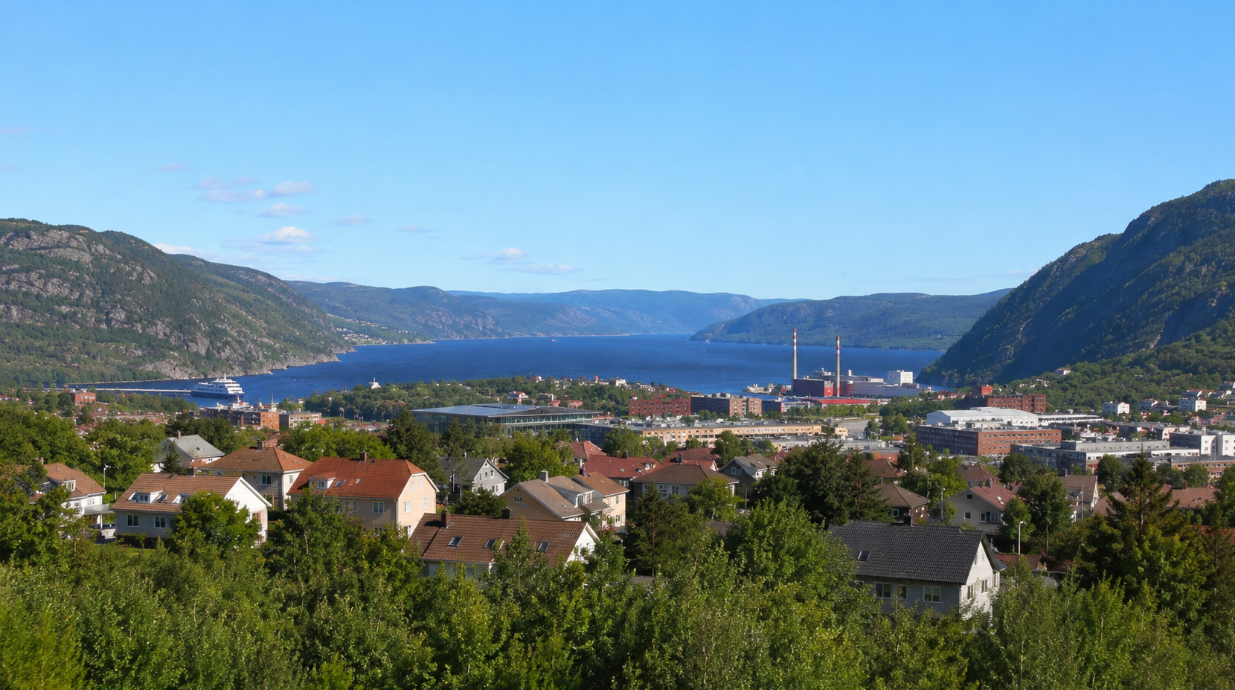
Check Today's Live Real Time Air Quality Index AQI Map in Saguenay, QC Now
By Michelle Wan, Brand Manager and Air Quality Writer, Filterbuy Canada | Technically reviewed by David Clark, Licensed HVAC Technician | Published: 18 August 2026 | Updated: 18 August 2026
TL;DR
We built this page expecting to publish Saguenay's AQHI. There isn't one. Quebec's Air Quality Index, the IQA, is the official reading here, and it is published separately for three stations inside the city rather than as one municipal figure. On that scale, 1 to 25 is good, 26 to 50 is acceptable, and 51 or above is bad. Check the live map above for the current reading in your sector, then match it to the indoor steps below.
Key Takeaways
Saguenay has no AQHI value. Environment and Climate Change Canada publishes the Air Quality Health Index for three Quebec locations only: Montreal, Quebec City, and Gatineau.
Quebec's IQA is the official index here: good (1 to 25), acceptable (26 to 50), bad (51 and above). It is reported per station, so Arvida and Chicoutimi can differ in the same hour.
Smog warnings still cover Saguenay through the Info-Smog programme, even with no AQHI value for the city.
Rio Tinto shut the last pre-baked potroom at its Arvida plant on 18 June 2026, removing a long-standing local source of fine particulate.
Winter is Saguenay's own pollution season, driven by wood heating under cold, still air in the valley.
Indoors, the furnace filter is the lever most households already own, and its rating decides how much smoke it catches.
What Today's Saguenay Reading Actually Means
We checked Environment and Climate Change Canada's Quebec forecast summary on 14 August 2026, and it lists Gatineau, Montreal, and Quebec before stopping. Saguenay is not on it, which explains most of the confusion around this search.
What the city does have is Quebec's IQA, published hourly by the provincial environment ministry in three categories: good, acceptable, and bad. Because most international apps convert that data into the American 0 to 500 scale before it reaches your screen, we print no number of our own on this page.
The arithmetic is simple. Each pollutant gets a sub-index, its concentration divided by a health-based reference value and multiplied by 50, and whichever runs highest that hour becomes the station's IQA. For fine particulate that reference value is 35 micrograms per cubic metre over three hours, which is why the same number can reflect ground-level ozone one day and fine particulate the next.
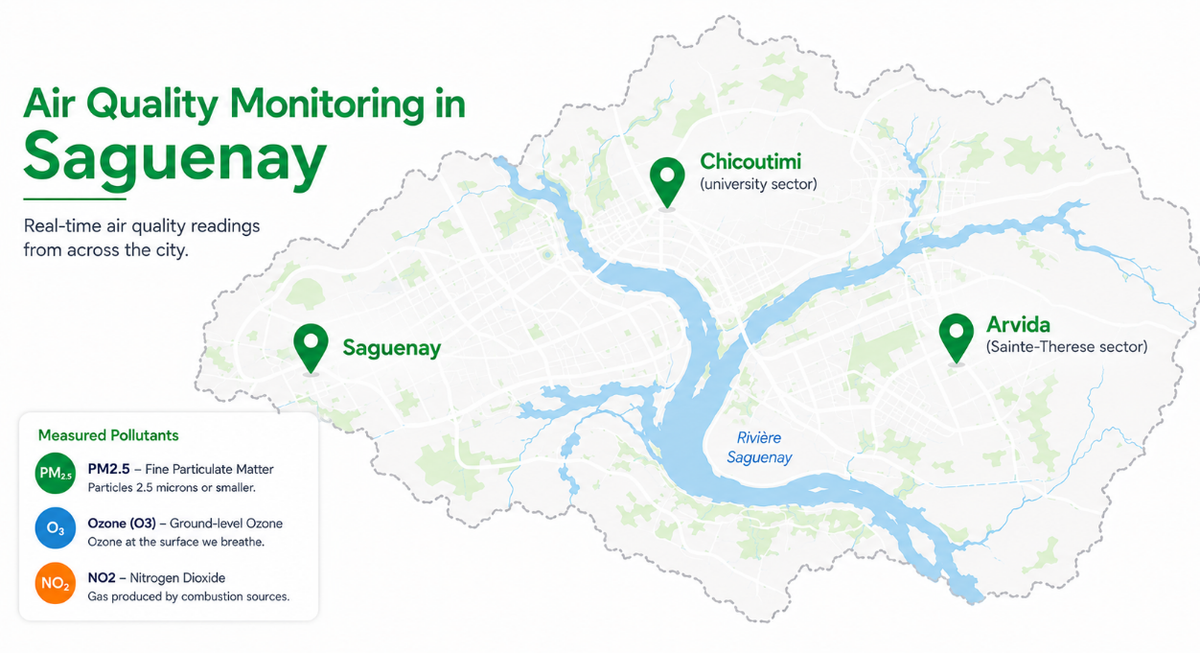
Why Saguenay Shows Three Air Quality Readings, Not One
Saguenay is monitored by three stations, and since 2025 Quebec publishes the IQA for each separately rather than blending them into one city figure. In a city assembled from merged towns strung along a river valley, that matters. The air beside the Arvida industrial corridor is not the air in the Chicoutimi university sector. When we compared the three station listings, that split was the reason we point you to the station nearest you rather than to a city average.
One caveat near the industrial corridor: the ministry is explicit that monitoring industrial sources sits outside the network's objectives, so a station reading describes your neighbourhood rather than any single stack.
What Changed in Saguenay's Air in June 2026
On 18 June 2026, Rio Tinto shut potroom 40 at its Arvida plant, ending operations at a facility that had run for roughly a century. All six pre-baked potrooms are now closed, replaced by 96 AP60 cells at the same Jonquiere complex. Rio Tinto states the newer technology produces about 90 percent less fine particulate.
This is the finding that changed how we wrote the rest of the page. Archives for the Sainte-Therese station cover years when the older facility was running, so we stopped treating pre-2026 history as a baseline, and we would suggest the same whenever an app shows you a multi-year trend. Wood heating still drives the numbers, along with traffic and wildfire smoke.
Saguenay's Air Quality Through the Year
Saguenay has two seasons of concern, and knowing which one you are in tells you how long to expect it to last. Winter episodes are local, driven by wood heating, and often clear overnight once the wind returns. Summer episodes arrive with wildfire smoke and can settle in for days.
The valley itself does much of the work in winter. When warmer air settles above colder air it acts like a lid, holding chimney smoke near the valley floor, and Environment and Climate Change Canada has issued Saguenay smog warnings for exactly that mix, with the provincial index registering bad air at both the Arvida and Chicoutimi stations during a single episode.
Four Things the Apps Do Not Tell You
We found four practical details while building this page that no air quality app shows.
1. The Official Map Hides A Wildfire Layer
Between 1 May and 30 September, Quebec's IQA map carries two layers it hides by default: fine particulate from a seasonal sensor network, and a 72 hour forecast from the Meteorological Service of Canada. Both sit behind the forest fire impact tracking button in the results panel. For a city inside the boreal zone, a three day smoke forecast is the most useful control on that page, and most people never find it.
2. The Guide Is In English, The Live Map Is Not
The ministry publishes its IQA explainer in English, but the interactive map opens in French, which stops a lot of people at the door. It should not, because the part you need reads the same either way. Find Saguenay, Saguenay secteur de l'universite, or Saguenay secteur de Sainte-Therese, then read the coloured dot beside it.
3. Your Air Exchanger Works Against You During Smoke
Heat recovery ventilators are common in Quebec homes because tight houses need mechanical fresh air, and during a smoke episode that same unit draws it indoors without pause. EPA guidance is direct: if your system has a fresh air intake, set it to recirculate or close the outdoor damper, then reopen once the air clears. Do that before you think about filters, because once the intake is shut your furnace filter is the only thing still cleaning the air. EPA, Wildfires and Indoor Air Quality
4. Do Not Convert Between Scales To Make A Decision
Quebec's fine particulate sub-index runs on a three hour average against a 35 microgram reference, while international scales use different breakpoints and windows, so any conversion is approximate. During a fast moving plume the two can disagree sharply while describing the same air. When the number changes what you actually do, read the Quebec value.
Whichever number you read, the response is the one set out in the table above, with one addition it does not cover: if you heat with wood, provincial guidance asks you to stop burning while a smog warning is in effect.
What You Can Change Indoors When the Reading Climbs
Outdoor air is not something a household controls, but the air moving through your furnace is. When the reading climbs, close the windows, switch the HVAC system to the fan setting so air keeps circulating through the filter, and check whether that filter is overdue, because a discoloured one has stopped doing much. We will not oversell it: a filter is not a respirator and will not make outdoor smoke disappear. Across a heating season that runs six to eight months, it is simply the lever most Saguenay households already own, and its rating decides how much it catches.
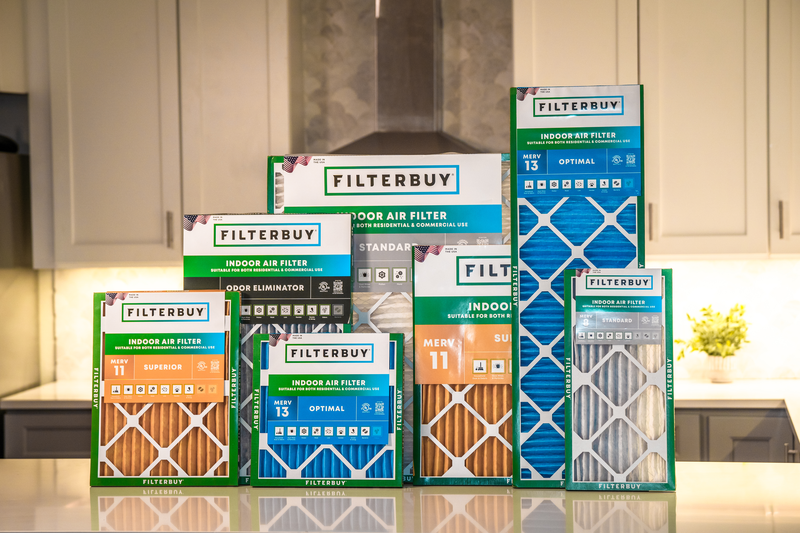
Higher is not automatically better. MERV 13 is the highest rating most residential systems handle without restricting airflow, so check your equipment first. Our guide to MERV ratings covers the differences, and the step-by-step filter replacement guide covers the swap.
Supporting Statistics
Canada and the United States share the ASHRAE MERV standard, so American filtration research applies to a Saguenay furnace. Air quality standards differ. Treat these as supporting research, not Saguenay measurements.
1. Wood smoke out-emits heavy industry, and it peaks in winter
More than every vehicle combined. Residential wood smoke emits more PM2.5 than on-road and non-road vehicles together.
Five times heavy industry. More than refineries, cement plants, and pulp mills combined.
Second largest winter source of PM2.5 emissions nationally.
For Saguenay: winter episodes come from home heating, not the industrial corridor.
Source: U.S. EPA Burn Wise, Facts and Figures, from the 2017 National Emissions Inventory
2. Wildland fires are now the majority of U.S. fine particulate emissions
52 percent of all U.S. PM2.5 came from wildland fires.
Days, weeks, or months of exposure in one year.
For Saguenay: inside the boreal zone, smoke is seasonal, not imported.
Source: U.S. EPA, Wildland Fire Research: Reducing Exposures, 2020 National Emissions Inventory
3. Closing the windows is not enough on its own
55 to 60 percent. Indoor PM2.5 during smoke events, as a share of outdoor levels.
About 50 percent lower. High-efficiency filter, fan running continuously.
About 24 percent lower. Low-efficiency filter, same fan setting.
For Saguenay: close the windows, run the fan, check the filter rating.
Source: U.S. EPA Wildfire Smoke Course, Strategies to Reduce Exposure Indoors (Fisk and Chan 2017)
What surprised me about Saguenay is how confidently the apps report a single number for it. There is no federal AQHI here, and the province publishes three station readings rather than one. A lone Saguenay figure on your phone is somebody's arithmetic, not an official measurement. That is why this page sends you to the station nearest you.Michelle Wan, Brand Manager and Air Quality Writer, Filterbuy Canada
In a valley city the winter problem is not that the air is dirty all season. It is that on a few very cold, very still nights it gets dirty fast and stays that way until the wind returns. Those are the nights the furnace fan earns its keep. Change the filter in October, not in January when the house already smells like somebody else's chimney.David Clark, Licensed HVAC Technician, Filterbuy HVAC Solutions
Frequently Asked Questions
5 Saguenay Air Quality Resources Worth Bookmarking
Where to go for the official number, the forecast, and the guidance behind it.
1. Compare Saguenay Against the Rest of the Country
Filterbuy Canada's Canada-wide map puts today's reading beside every other region. Live air quality index map for Canada, or the Sherbrooke, QC live air quality page.
2. Get the Official Hourly Reading for Your Borough
The authoritative source, and its map reads each station separately. Quebec Air Quality Index, provincial environment ministry
3. Find Out Whether a Smog Warning Is in Effect
No AQHI forecast exists for Saguenay, but Info-Smog warnings cover it, and it is named among the 22 covered regions. Info-Smog conditions and forecasts, and the list of covered Quebec regions
4. See Which Pollutants Your Nearest Station Actually Measures
Shows every station and what each measures, including whether sulphur dioxide is tracked near you. Reseau de surveillance de la qualite de l'air du Quebec
5. Heat With Wood Without Making the Reading Worse
Covers appliance choice, wood seasoning, and when to stop burning. Residential wood heating, Quebec environment ministry
Breathing Easier in a Saguenay Winter
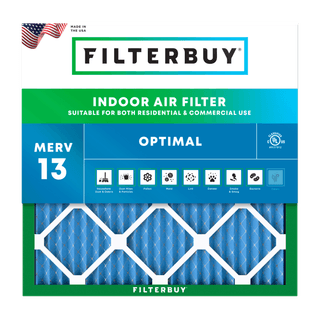
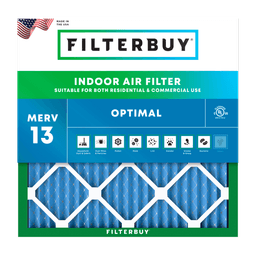
If today's reading has you thinking about the air inside your house, the filter already in your furnace is the place to start. Filterbuy Canada carries pleated filters in more than 600 sizes, including custom, shipped free to Canada with prices in CAD. Superior (MERV 11) covers pollen season, Optimal (MERV 13) is the one we point people to for smoke, and the Odour Eliminator handles the smell that outlasts it. A delivery schedule can be edited, skipped, or cancelled anytime, which helps when heating season runs eight months.
Glossary
IQA. Quebec's Air Quality Index, published hourly per station: good (1 to 25), acceptable (26 to 50), bad (51 and above).
AQHI. Canada's federal Air Quality Health Index, 1 to 10 and above. In Quebec it covers Montreal, Quebec City, and Gatineau only.
AQI. The American scale, 0 to 500, used by most international apps. Quebec data is often converted into it, which is why app numbers may not match the IQA.
PM2.5. Fine particulate smaller than 2.5 micrometres, the pollutant that matters most in wildfire and wood smoke episodes.
Thermal inversion. Warmer air sitting above colder air near the ground, acting like a lid that stops pollutants dispersing upward. Valley terrain makes it better at trapping smoke.
Info-Smog. The joint federal and provincial programme issuing smog warnings for Quebec regions, including Saguenay.
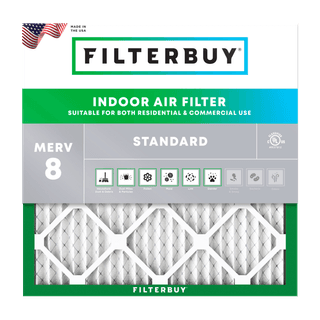
MERV. Minimum Efficiency Reporting Value, the ASHRAE rating for particle capture. Filterbuy Canada labels these Standard, Superior, and Optimal.
About the Author and Reviewer
Author. Michelle Wan is Brand Manager and Air Quality Writer at Filterbuy Canada, covering indoor air quality for Canadian homes.
Technical reviewer. David Clark is a Licensed HVAC Technician with Filterbuy HVAC Solutions.
Air quality readings on this page are for information only. If you or a family member is experiencing respiratory symptoms, contact a healthcare provider or call Info-Sante at 811.