
Victoria Real-Time AQI Tracker
What's Actually In Victoria Air Today?
What High AQI Means for Your Lungs in Victoria
How to Read AQI
The Air Quality Index (AQI) measures how polluted the air is and how it may affect your health.
0–50 (Good): Air quality is satisfactory.
51–100 (Moderate): Acceptable, but some pollutants may pose minor concerns.
101–150 (Unhealthy for Sensitive Groups)
151–200 (Unhealthy)
201–300 (Very Unhealthy)
301+ (Hazardous)
Moderate
Still okay for most, but if you have asthma or allergies, take it easy and avoid long outdoor workouts.
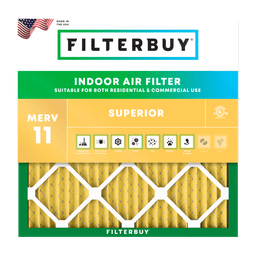
Shop MERV 11 filters→What's the Right Filter for Your AQI Level?



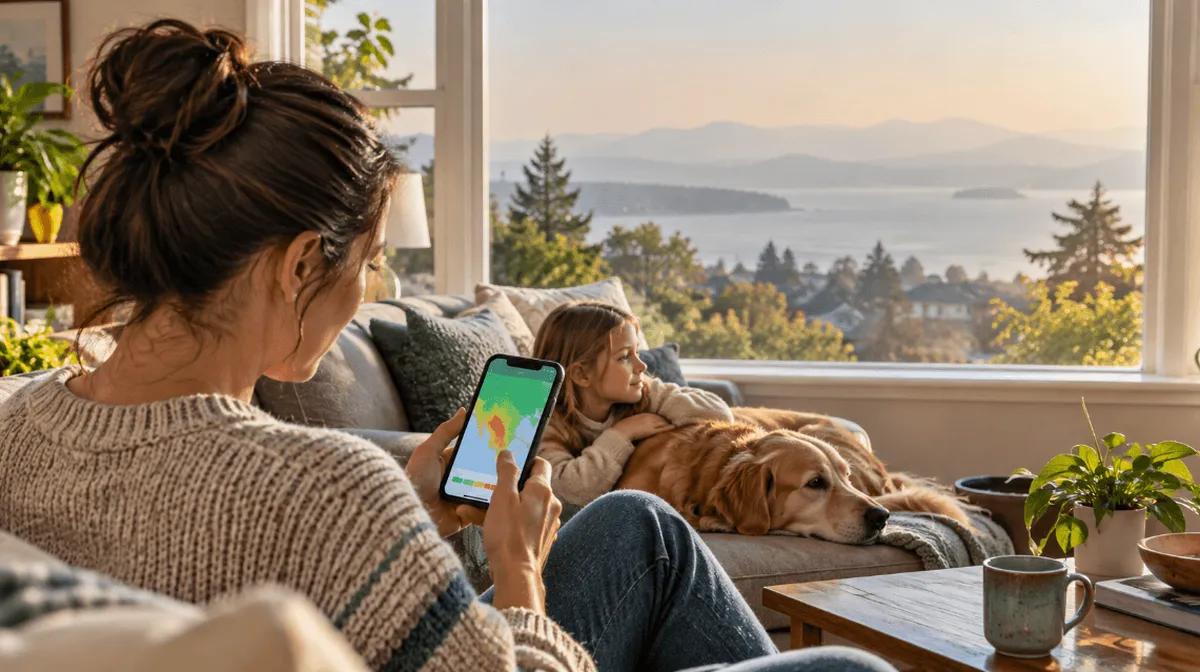
Check Today's Live Real Time Air Quality Index AQI Map in Victoria, BC Now
TL;DR
The live air quality map above shows current local conditions in Victoria, BC, and updates through the day, so check it before heading outside. Victoria's air is usually clean, but wildfire smoke from mainland BC or the U.S. West Coast can haze a clear morning by afternoon, so an earlier reading may already be out of date. Official readings come from provincial monitoring stations at Victoria Topaz and Colwood City Hall and are reported on Canada's Air Quality Health Index (AQHI).
Start With the Map: How to Read Victoria's Live Air Quality
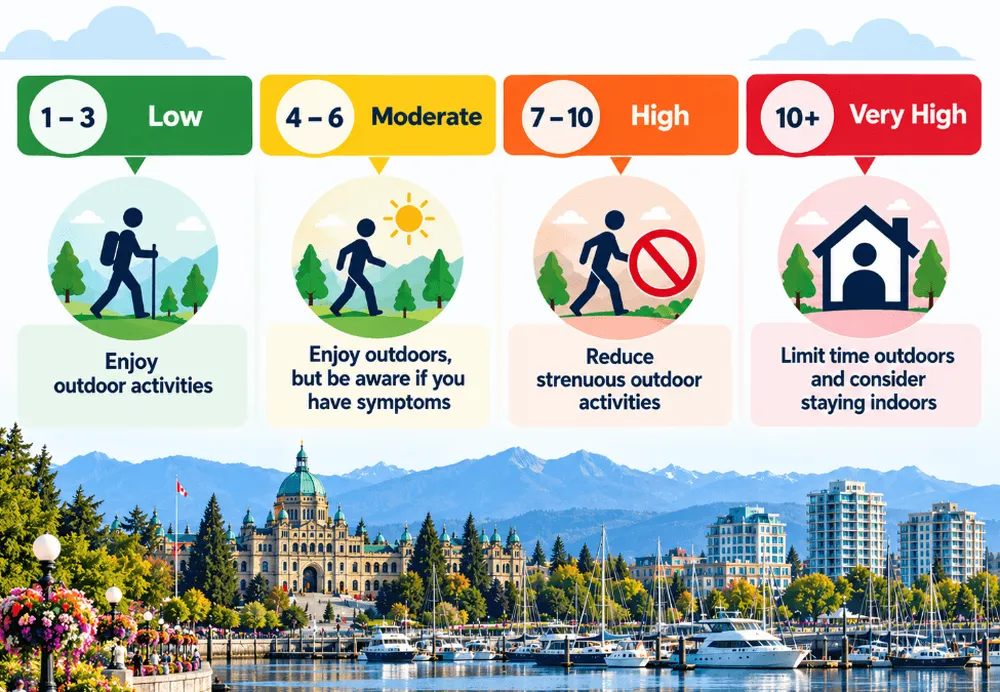
Wondering what the air quality in Victoria is today? For official health guidance, Canada uses the Air Quality Health Index (AQHI), a 1 to 10+ scale from Environment and Climate Change Canada (ECCC) and Health Canada. BC Air Quality posts it every hour for Victoria / Saanich and the West Shore. When the number climbs, PM2.5 is usually behind it: tiny smoke particles that BCCDC identifies as the greatest health risk in wildfire smoke.
Filterbuy has made more than 50 million air filters in its U.S. plants since 2013, so on a hazy day our first question is how much of that smoke is getting indoors?
Key Takeaways
Victoria's air is usually low risk on the AQHI, but wildfire smoke can push PM2.5 up within hours.
BCCDC advises people at higher risk, or anyone with symptoms, to start protecting themselves once the AQHI reaches Moderate (4 to 6).
Health Canada recommends running the highest-quality filter your ventilation system can handle during smoke, changing it regularly, and adding a certified portable air cleaner.
Victoria AQHI Levels and What to Do at Each One
Source: PM2.5 ranges from the BCCDC Wildfire Smoke and the AQHI fact sheet; health messages from Environment and Climate Change Canada, as published by BC Air Quality for Victoria / Saanich.
During smoke, you can estimate BC's AQHI yourself: divide a one-hour PM2.5 reading by 10 and round up. That is how the 145 micrograms per cubic metre hour recorded at Victoria Topaz on 11 September 2020 registered as 10+
Why Victoria's Reading Can Trail the Smoke You See
The standard AQHI is built on three-hour averages, so it can lag behind smoke that moves in quickly. To close that gap, BC calculates its AQHI two ways every hour, including from one-hour PM2.5 alone, and reports whichever value is higher.
Official readings come from two provincial stations, Victoria Topaz and Colwood City Hall. Using coordinates from the Province's station list, Filterbuy measured them 9.8 km apart, with Colwood sitting 46 m higher. That spread helps explain why a West Shore reading can differ from Victoria / Saanich in the same hour.
BCCDC recommends BC Air Quality and the WeatherCAN app over other websites and apps. If the sky still looks worse than the reading, check the BlueSky Canada smoke forecast.
Where to Find Victoria's Air Quality Forecast and What a Warning Means
ECCC posts current values and forecast maximums for the Victoria/Saanich AQHI. The free WeatherCAN app can send AQHI alerts, and ECCC suggests that people sensitive to air pollution set them at Moderate (4 to 6).
When smoke is on the way, BC issues a colour-coded air quality warning for the next 24 to 48 hours, and the Air Quality Subscription Service will email or text it to you.
Which Victoria Reading Should You Check?
Filterbuy checked BC's AQHI areas and station list against its warning regions:
Victoria and Saanich: use the Victoria / Saanich AQHI.
Colwood and Langford: use the West Shore AQHI.
Sooke: BC issues Sooke's smoke warnings under West Vancouver Island rather than Greater Victoria, so subscribe to both regions.
Commuters: WeatherCAN lets you set separate AQHI alert levels for home and work.
Air Quality Across Greater Victoria's Neighbourhoods
Colwood burning rules: City of Colwood.
Between stations, PurpleAir's AQHI+ map fills the gaps. For the wider picture, see Filterbuy's British Columbia wildfire and smoke map, Vancouver air quality map and Canada air quality map.
What's in Victoria's Air? From Wildfire Smoke to Ship Exhaust
During smoke, PM2.5 usually drives Victoria's AQHI. Here is where it comes from locally.
Wildfire smoke. In September 2020, smoke from U.S. West Coast wildfires pushed the Victoria and Saanich AQHI to 10+.
Residential wood smoke. BC's Community Wood Smoke Reduction Program has replaced about 11,000 older wood stoves across the province since 2008.
Ship exhaust. The 2011 James Bay Air Quality Study found higher sulphur dioxide and PM2.5 near Ogden Point when cruise ships were in port. Filterbuy found that only Victoria Topaz, of the two provincial stations, measures sulphur dioxide, so it is the reading to watch in James Bay during cruise season.
Smoke carries both particles and gases, and a pleated filter only captures the particles.
When Wildfire Smoke Drifts Over Victoria: A Step-by-Step Plan
Start with official guidance. Follow BC air quality warnings and Island Health's wildfire smoke guidance, and track smoke on BlueSky Canada or Filterbuy's Victoria wildfire and smoke map. If you are at higher risk or have symptoms, BCCDC advises starting these steps once the AQHI reaches Moderate.
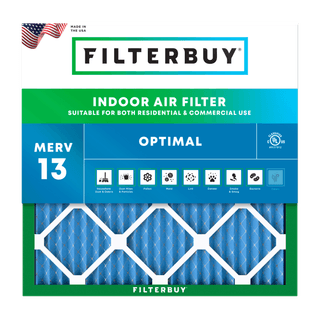
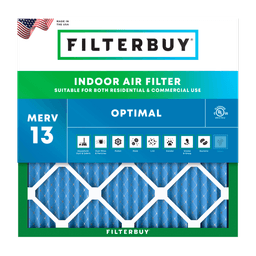
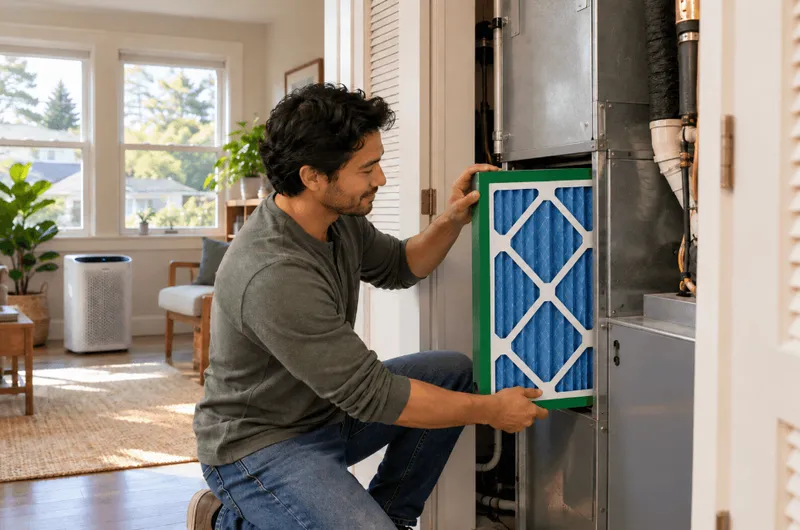
Put a MERV 13 filter in your furnace. The central system moves far more air than a portable unit, so this is your whole-home layer.
Set the thermostat fan to On. On Auto, the system only filters while it heats or cools.
Run a certified portable air cleaner in each occupied room, starting with bedrooms.
Close windows and doors, limit bathroom and kitchen exhaust fans, and skip candles, frying and smoking. If you have an HRV, follow the manufacturer's smoke guidance.
Health Canada recommends using the highest-quality filter your ventilation system can handle, based on the manufacturer's recommendations, and changing filters regularly during smoke events because clogged filters stop working well. Our MERV 13 vs. HEPA comparison for wildfire smoke shows how the two layers work together.
If you cannot get to cleaner air, BCCDC suggests a well-fitted N95 respirator or moving somewhere less smoky. Health Canada's wildfire smoke guide explains who is most at risk.
No Ducts in Your Victoria Home? What Still Helps
Many Greater Victoria homes heat with baseboards or oil. Even Colwood and View Royal, the regional leaders in 2024, had heat pumps in just under 10 percent of buildings. Without ducts, portable air cleaners become your main defence, and Filterbuy would rather tell you that than sell you a furnace filter you can't use.
Size a certified portable air cleaner to each occupied room, and keep replacement air purifier filters on hand.
BCCDC's do-it-yourself air cleaner guide pairs a 2012 or newer box fan with a MERV 13 filter. Change the filter when it looks dirty, and never leave the fan running unattended.
If smoke and heat arrive together, stay cool first. BCCDC notes that for most people, overheating is riskier than breathing smoke.
What Filterbuy Sees From the Filter Side
Demand jumps when smoke arrives. Filterbuy orders from a province rise the day a smoke advisory reaches it. Fit a fresh MERV 13 and keep a spare before fire season.
Smoke loads filters fast. A filter that looks fine in spring can clog in a single smoky week, and Health Canada notes that a clogged filter stops doing its job. Check yours monthly through fire season.
"I don't want anyone to feel like they need an HVAC license just to pick the right filter. My job is to give you the straight answer, explain why it matters, and let you get back to your day."
Michelle Wan, Brand Manager and Air Quality Writer, Filterbuy
Matching Your Filter to Victoria's AQHI
For wildfire smoke, the tier is MERV 13. Filterbuy sets the switch at a Moderate AQHI during smoke rather than High. Smoke loads a filter before readings peak, so a MERV 13 already in place starts working from the first hazy hour.
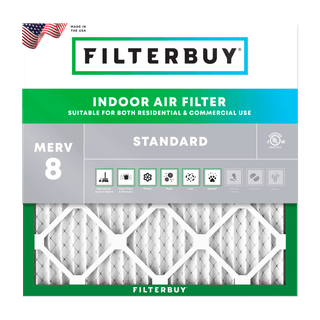
Once you find your filter size, you can shop Filterbuy MERV 13 air filters. For everyday use, see MERV 8, MERV 11 and our MERV ratings guide. An air filter subscription keeps spares arriving, and odours call for the Odour Eliminator carbon filter line.
Supporting Statistics
1. Wildfire Smoke Is Harder on the Lungs
A 10 micrograms per cubic metre rise in wildfire PM2.5 was linked to 1.3 to 10 percent more respiratory hospitalizations.
The same rise in PM2.5 from other sources was linked to only 0.67 to 1.3 percent more.
Source: NOAA Institutional Repository, Aguilera et al., Nature Communications, 2021
2. Filtration Cuts Indoor Smoke by About Half
A high-efficiency HVAC filter with the fan on continuously can lower indoor PM2.5 by about 50 percent.
Even a low-efficiency filter, run continuously, can cut particles by about 24 percent.
Source: U.S. EPA, Strategies to Reduce Exposure Indoors
3. Most Exposure Happens Indoors
Americans spend about 90 percent of their time indoors.
Some pollutants are often 2 to 5 times higher indoors than typical outdoor levels.
Source: U.S. EPA, Report on the Environment: Indoor Air Quality
Frequently Asked Questions
What is the air quality in Victoria today?
Start with the live map above, then check BC Air Quality for the official hourly AQHI.
Is the air quality bad in Victoria today?
An AQHI of 4 to 6 is Moderate, and 7 or higher is High. If you have a heart or lung condition, follow your health care provider and Island Health, or call 8-1-1 for HealthLink BC.
Where can I check Victoria PM2.5 today?
BC Air Quality posts hourly PM2.5 for Victoria Topaz. BC's objective is 25 micrograms per cubic metre over 24 hours, and the station graph marks higher readings in red.
What MERV rating do I need for wildfire smoke?
MERV 13, if your system can handle it, in line with Health Canada's advice.
Why doesn't the map match BC Air Quality's number?
Filterbuy's live map uses a different index and colour scale. For health decisions, go by BC Air Quality, which reports the official AQHI from provincial stations.
Glossary
AQHI (Air Quality Health Index): Canada's official 1 to 10+ health-risk scale, calculated from PM2.5, ozone and nitrogen dioxide.
AQHI-Plus: BC's smoke-adjusted AQHI, calculated from one-hour PM2.5 and reported when it is higher than the standard value.
PM2.5: Fine particulate matter 2.5 micrometres or smaller.
BCCDC: BC Centre for Disease Control.
MERV: Minimum Efficiency Reporting Value, the rating on every Filterbuy furnace filter.
HEPA: High-Efficiency Particulate Air, a standard for portable cleaners, not furnaces.