
Winnipeg, MB Live Wildfire Smoke Map
Get Alerts For Wildfires In Your Area
The moment a wildfire starts near you, you'll get an instant alert and simple tips to reduce your smoke exposure.
What's In The Smoke
30xSmaller than a human hair
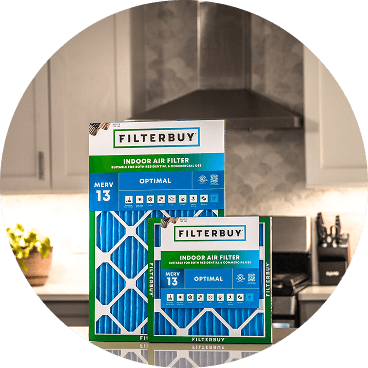
Fine enough to reach deep into the lungs. A MERV 13 is built to capture it.
How Far It Travels


It Doesn't Stay Local
Smoke rides the wind far downwind — you can get smoky air with no fire nearby.
What To Do During A Smoke Event
Simple steps to reduce indoor exposure.
- Stay In, Close UpShut windows and doors to keep smoke out.
- Set Fan To "On"Keeps air cycling through your filter, not just when heating or cooling.
- Recirculate AirSwitch off fresh-air intake so you're not pulling smoke in.
- Run A MERV 13Built to capture the fine PM2.5 in smoke.
- Add A PurifierExtra filtration for the room you use most.
- Wear an N95 if OutsideFits snug to block fine particles — a cloth mask won't.


The Best Air Filter For Wildfire Smoke
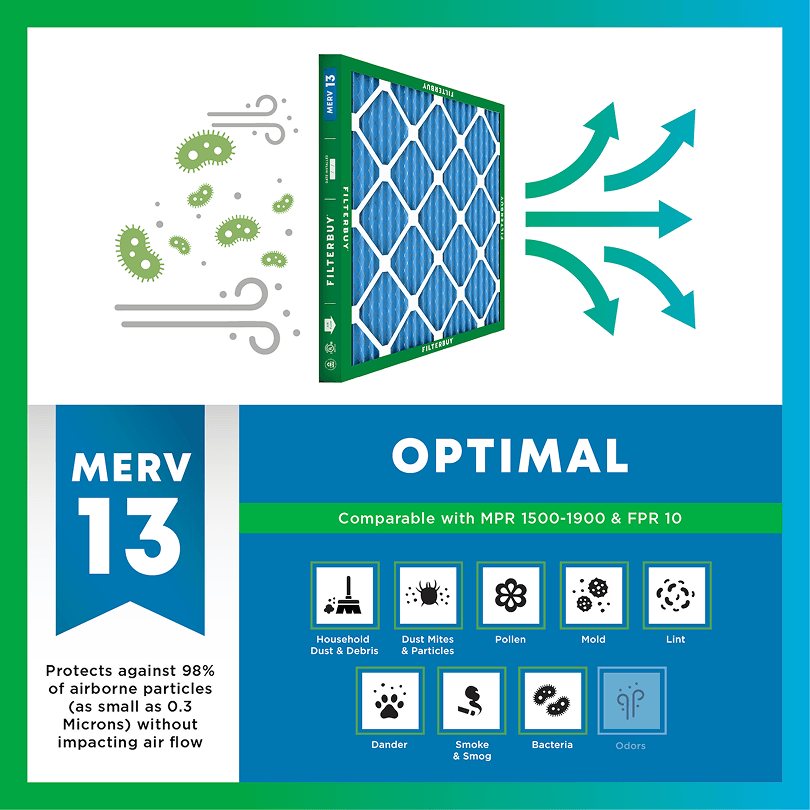
During smoke events, the EPA recommends upgrading to a MERV 13 filter — or the highest-rated filter your system can handle — to help reduce the fine particles smoke brings indoors. MERV 13 is the level most home HVAC systems can run while still capturing PM2.5, the fine particulate that makes up the bulk of wildfire smoke.
- Captures PM2.5 particles
- Blocks ash, soot, and smoke odor
- Keeps your indoor air safe—even when the outdoor air is dangerous
- Meets the EPA's recommended rating for filtering fine wildfire smoke particles.

Wildfire Smoke FAQs
Facts About Wildfires
Over 70,000 wildfires burn in the U.S. every year.
Wildfire smoke can travel 1,000+ miles, affecting states that aren't even near the blaze.
Exposure to wildfire smoke can worsen asthma, trigger heart issues, and lead to ER visits.
Indoor air can hold more fine particles during wildfire events unless it's properly filtered.
The EPA advises using MERV 13 filters or portable HEPA air cleaners during wildfire smoke events.
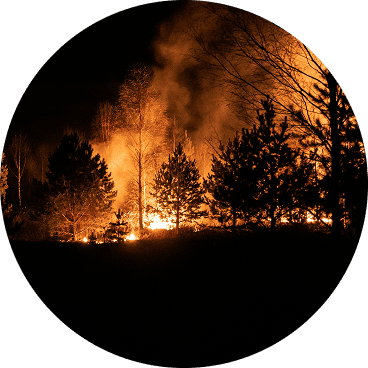
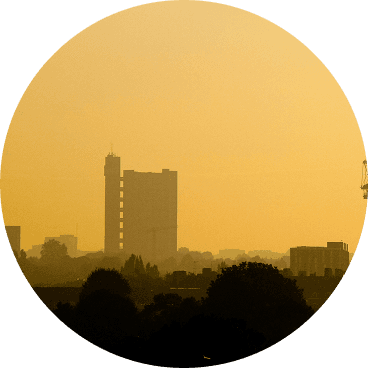
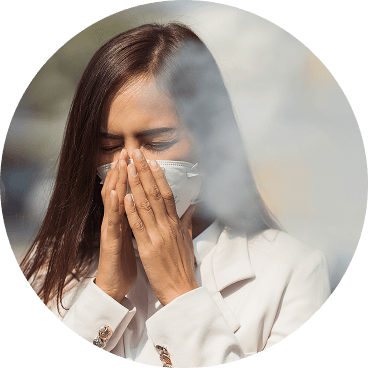
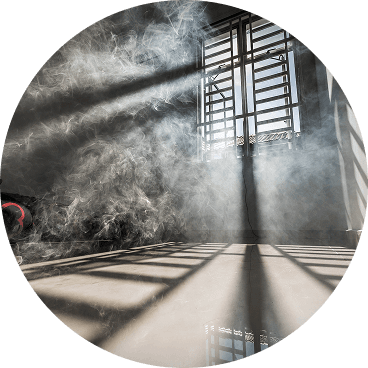
Don't Wait Until The Smoke's Inside.
Use the live wildfire smoke tracker and upgrade your air filters today to protect your lungs and your home.
Shop Filters For Smoke Protection
Live Winnipeg, MB Forest Wildfire & Smoke Map Today: Local Air Quality Tracking & Indoor Protection Solutions
By Michelle Wan, Brand Manager and Air Quality Writer | Reviewed by David Clark, Licensed HVAC Technician | Published 22 September 2026 | Updated 22 September 2026
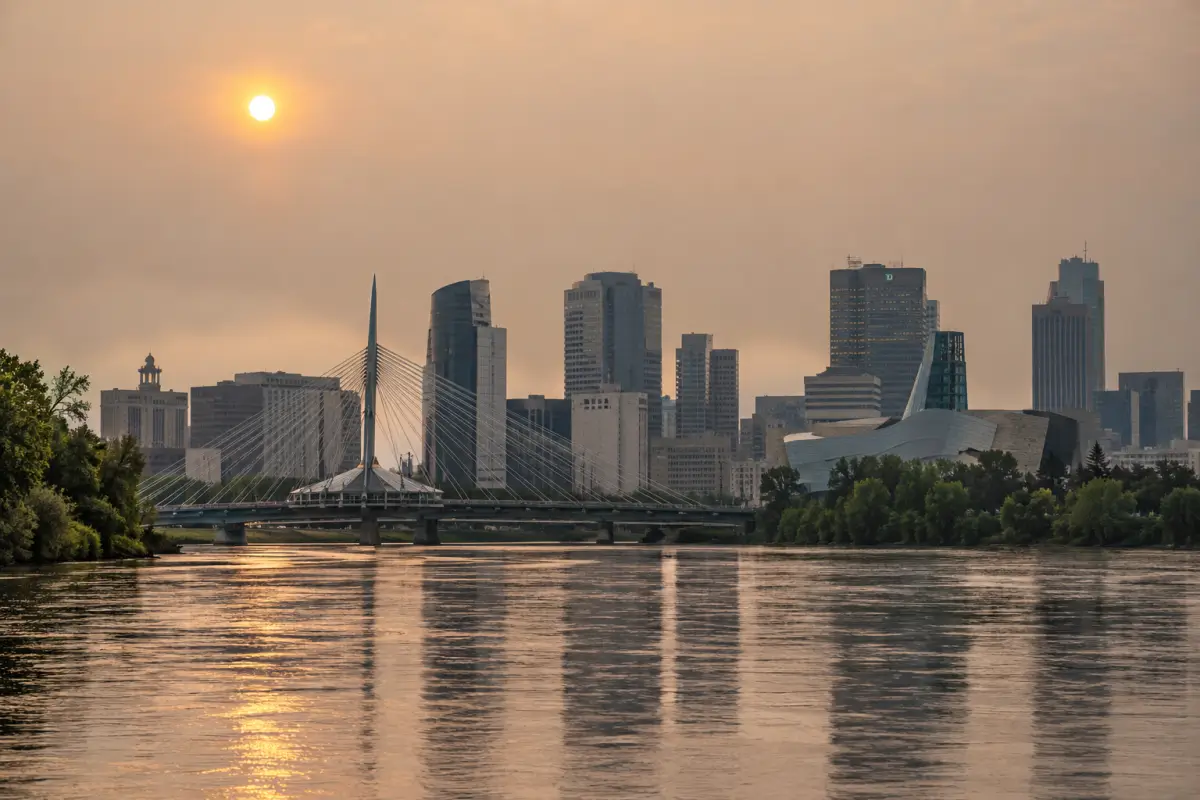
Winnipeg rarely sees wildfire flames up close, but it sees their smoke often. Most haze drifts in from boreal fires far outside the city, so the sky over the Red River can turn grey while every fire on the map looks distant.
The live map at the top of this page shows active fires and new detections, with smoke plumes layered on top. To build this guide, the Filterbuy.ca team checked when each official Manitoba and federal tool updates and which question it answers best.
TL;DR: Winnipeg Wildfire and Smoke Conditions Today
For live wildfire and smoke conditions in Winnipeg today, use four official tools together: the Manitoba Wildfire Service FireView map for active Manitoba fires, the Canadian Wildland Fire Information System (CWFIS) for fires across Canada, Environment and Climate Change Canada's FireWork forecast for where smoke is heading, and the Winnipeg AQHI for what the city is breathing right now. Winnipeg's smoke usually comes from distant fires, so the AQHI matters more than distance to the nearest flame. Indoors, close up the house, set the furnace fan to On with a MERV 13 filter, and run a portable HEPA air cleaner in the rooms you use.
Key Takeaways
Winnipeg's wildfire smoke is usually imported. Fires in northern Manitoba, Saskatchewan, and farther west have all sent smoke over the city in recent seasons.
The Winnipeg AQHI draws on two provincial monitoring stations inside the city: 65 Ellen Street downtown and 299 Scotia Street in a residential neighbourhood.
Manitoba's FireView table reflects the end of the previous business day, so pair it with satellite hotspots and the AQHI when you need today's picture.
Environment and Climate Change Canada (ECCC) issues a special air quality statement at AQHI 7 to 10, and an Air Quality Advisory when wildfire smoke keeps the AQHI above 10 for three or more hours.
The U.S. Environmental Protection Agency (EPA) recommends MERV 13 or higher in central systems during smoke events, and notes most furnaces can run MERV 13 when the filter is replaced often.
Where to See Live Wildfire and Smoke Maps for Winnipeg Today
No single map answers every fire-season question. Fire maps show where flames are burning, smoke forecasts show where smoke is drifting, and the AQHI shows the air at street level now. Checking all three prevents the most common mistake: assuming the air is fine because no fire is close.
The Winnipeg Map Stack: What Each Tool Answers
The detail that surprised us most: FireView's table reflects the previous business day, so it can trail a fast-moving fire. That is why the Filterbuy.ca team opens the Winnipeg AQHI first. If it is climbing, check ECCC FireWork for how long smoke may stay, then Manitoba FireView and the CWFIS interactive map to see which fires are feeding it. To report a new wildfire in Manitoba, call 911 or the TIP line at 1-800-782-0076.
Why Winnipeg Gets Wildfire Smoke When No Fire Is Nearby
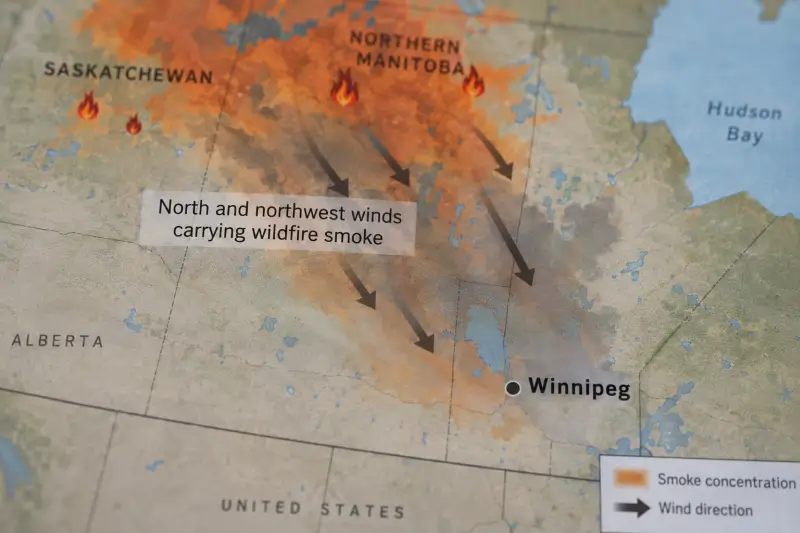
Winnipeg sits south of Manitoba's boreal forest and east of the other Prairie provinces, so wind direction decides smoke days more than fire location. An Environment Canada meteorologist has called northwesterly flow a bad wind direction in Manitoba fire seasons, since most fires lie north and northwest. Filterbuy.ca's rule of thumb: if FireView or CWFIS shows large fires to the north or northwest and the forecast calls for winds from that direction, close up the house before the AQHI climbs.
When we lined up Winnipeg's smoke alerts from 2023 to 2026, the pattern was hard to miss:
July 2023: smoke from wildfires to the northwest reduced visibility in Winnipeg, Brandon, and Steinbach.
August 2024: an air quality advisory covered nearly all of Manitoba, including Winnipeg.
August 2025: Winnipeg was the only major Prairie city under a special air quality statement for smoke on 2 August.
July 2026: ECCC issued air quality alerts for Winnipeg, Brandon, and other communities on 16 July.
Reading Winnipeg's AQHI During a Smoke Event
The Air Quality Health Index (AQHI) is Canada's 1 to 10+ health-risk scale, and it is the number to follow in Winnipeg. The AQHI has been available to Winnipeg residents since June 2009. The province runs two permanent stations inside the city, at 65 Ellen Street and 299 Scotia Street.
AQHI Risk Levels and What They Mean
Source: Environment and Climate Change Canada AQHI health messages.
ECCC uses a two-tier alert system: a special air quality statement at AQHI 7 to 10, and a red-banner Air Quality Advisory when wildfire smoke keeps the AQHI above 10 for three or more hours. During heavy smoke, ECCC calculates the AQHI hourly from fine particles alone, so readings can jump fast. The free WeatherCAN app can alert you at any level from 3 to 10+; ECCC suggests 4 to 6 if you are sensitive to air pollution.
People with asthma, chronic obstructive pulmonary disease (COPD), or heart disease, along with children, older adults, and pregnant people, face higher risk from wildfire smoke. Anyone with worsening symptoms should contact a health professional.
How to Protect Your Winnipeg Home From Wildfire Smoke
Follow ECCC alerts and local instructions first. If officials tell you to stay indoors or leave, that advice comes before anything on this page. For the home itself, Filterbuy.ca recommends two layers that do different jobs: a MERV 13 filter in the furnace for the whole house, and a portable HEPA air cleaner in each room you use.
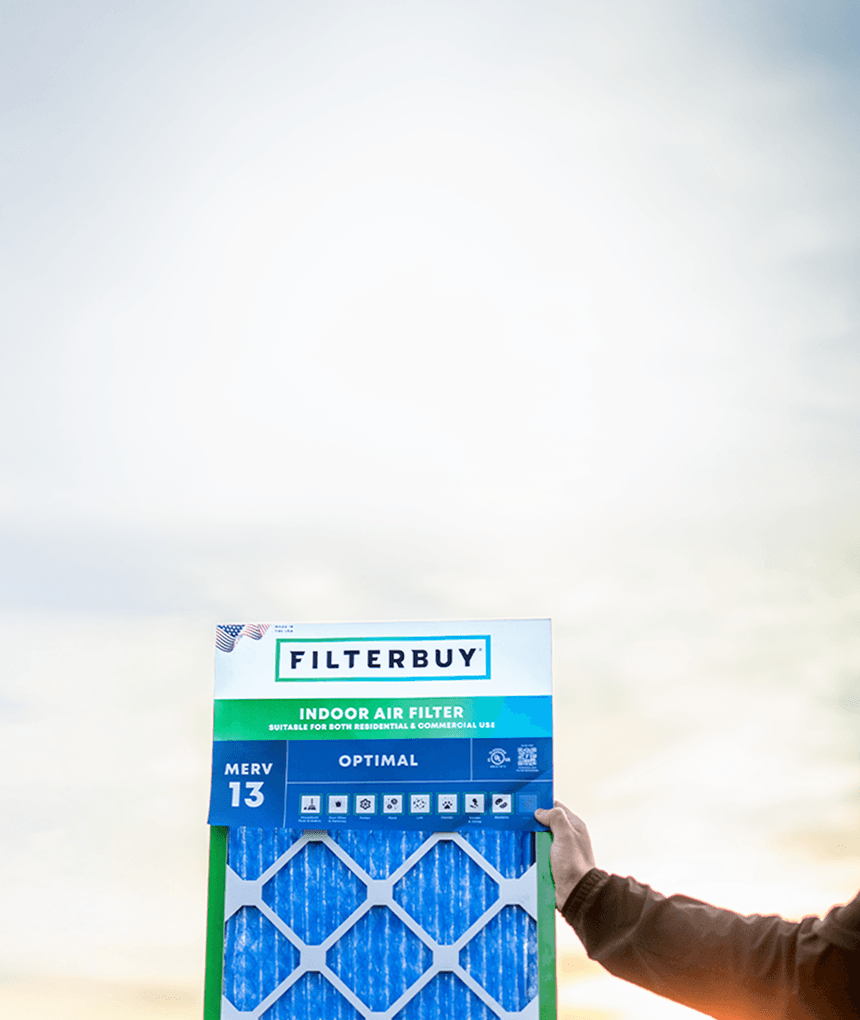
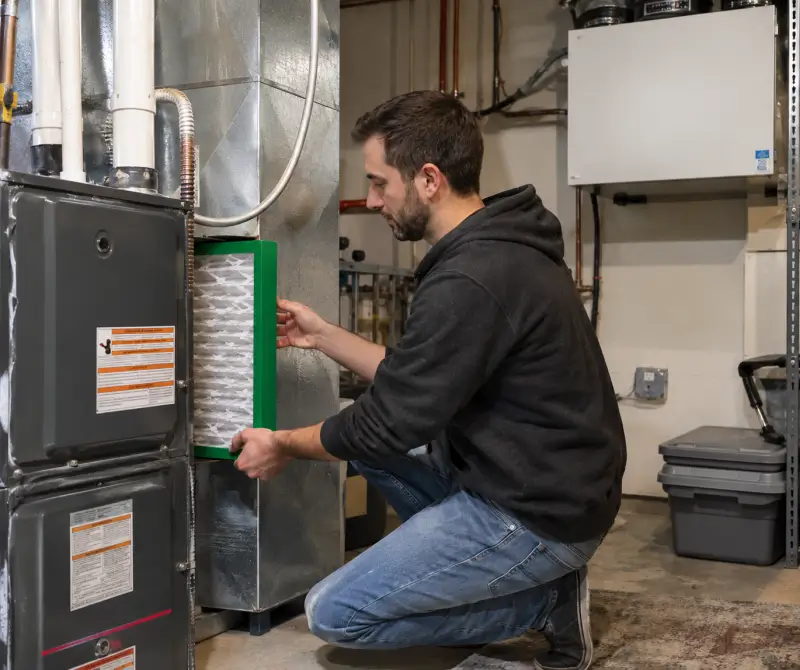
Put a MERV 13 filter in the furnace. The U.S. EPA recommends MERV 13 or higher in central systems during smoke events, and notes most furnaces can run MERV 13 without equipment problems when the filter is replaced often. Filterbuy.ca carries MERV 13 (Optimal) air filters in more than 600 sizes, such as 20x25x1, plus custom air filters for unusual slots. See how MERV ratings compare.
Set the thermostat fan to On. Auto filters only while heating or cooling. On filters all the time, with no added heat in summer.
Run a portable HEPA air cleaner in each occupied room, bedrooms first. That is Filterbuy.ca's advice, and it goes further than EPA's single clean room. Size each unit with EPA's rule: a smoke CADR of at least two-thirds of the floor area in square feet. A 28 m2 (300 sq ft) bedroom needs a smoke CADR of about 200. Skip ionizers and ozone generators, since EPA advises against air cleaners that produce ozone.
Close the house up. Keep windows and doors shut, set any fresh-air intake to recirculate, and avoid candles, frying, smoking, and vacuuming without a HEPA vacuum.
Manage your HRV or ERV. These ventilators bring outdoor air inside. Ask an HVAC technician, or check your manual, how to reduce outdoor airflow during smoke.
Inspect the furnace filter during smoke. Replace it when it looks dark brown or black, which can be well before its normal interval, and keep spares on hand.
Treat smell as a separate job. Pleated filters capture particles, and smoke odour is a gas. For odours, look at Filterbuy.ca's Odour Eliminator line.
No furnace or ductwork? In apartments and homes with window units, portable HEPA air cleaners are your main layer. Until you have one, EPA's DIY box-fan design with a MERV 13 filter is a reasonable stopgap. Use a newer fan (made since 2012) with a UL or ETL mark, and don't leave it running while you're away or asleep.
Supporting Statistics
1. Smoke days send more people to the ER.
Asthma emergency visits ran 17 percent above expected.
The spike covered 19 days of Canadian wildfire smoke in 2023.
CDC analysed more than 4,300 U.S. emergency departments.
Source: CDC, Morbidity and Mortality Weekly Report, August 2023
2. Wildfire particles hit the lungs harder.
Each 10 microgram per cubic metre rise in wildfire PM2.5 raised respiratory admissions up to 10 percent.
The same rise from other sources raised them only 0.67 to 1.3 percent.
The study covered 14 years of California hospital data.
Source: Aguilera et al., Nature Communications, 2021, NOAA Institutional Repository
3. Better filtration cuts indoor particles.
A MERV 13 to 16 central filter can cut indoor particles by up to 95 percent.
Switching the fan from Auto to On can cut them by up to 24 percent.
Source: U.S. EPA AirNow, Indoor Air Filtration factsheet
Official Resources for Winnipeg Residents
Manitoba Wildfire Service: situation reports, plus restrictions and evacuation guidance.
CWFIS interactive map: national hotspots and fire danger.
ECCC FireWork smoke forecast: 72-hour ground-level smoke maps.
Winnipeg AQHI: current readings and forecasts.
MB Ready: provincial emergency alerts and a free app.
Filterbuy.ca Canada wildfire and smoke map: conditions across every province.
Glossary
AQHI (Air Quality Health Index): Canada's 1 to 10+ air quality health-risk scale, based on ozone, nitrogen dioxide, and fine particles.
AQI (Air Quality Index): the U.S. scale, from 0 to 500.
PM2.5: fine particles 2.5 microns or smaller, the main concern in smoke.
MERV (Minimum Efficiency Reporting Value): a 1 to 20 rating of how well an HVAC filter captures particles.
FireView: the Manitoba Wildfire Service's map of current wildfires.
CWFIS (Canadian Wildland Fire Information System): Natural Resources Canada's national fire maps.
FireWork: ECCC's 72-hour smoke forecast.
FireSmoke Canada: BlueSky Canada's experimental two-day smoke forecast.
Special air quality statement: an ECCC notice issued when the AQHI reaches 7 to 10.
Air Quality Advisory: ECCC's red-banner alert when wildfire smoke keeps the AQHI above 10 for three or more hours.
Frequently Asked Questions
Final Thoughts
Winnipeg's smoke problem is a wind problem as much as a fire problem, and the steps inside your home are simple.
Every Winnipeg alert we reviewed came with smoke carried in from fires well beyond the city. Our advice: watch the AQHI and the wind, keep a spare MERV 13 filter on the shelf before July, and treat late September as your reset before heating season.
The Filterbuy.ca Team
Beyond Winnipeg, see Filterbuy.ca's live air quality map for Canada and guide to wildfire smoke and the air quality index.
Next Steps
Set a free WeatherCAN AQHI alert for Winnipeg, or bookmark the Winnipeg AQHI.
Find your filter size in inches on your current filter's edge; Filterbuy.ca carries custom sizes too.
Switch to a MERV 13 (Optimal) filter for smoke season and keep a spare.
Set up Subscribe and Save so a fresh filter arrives on schedule; edit, skip, or cancel anytime.
Filterbuy.ca ships free to Canada on every order, with prices in CAD. Shop MERV 13 filters for smoke season.