
Burnaby, BC Live Wildfire Smoke Map
Get Alerts For Wildfires In Your Area
The moment a wildfire starts near you, you'll get an instant alert and simple tips to reduce your smoke exposure.
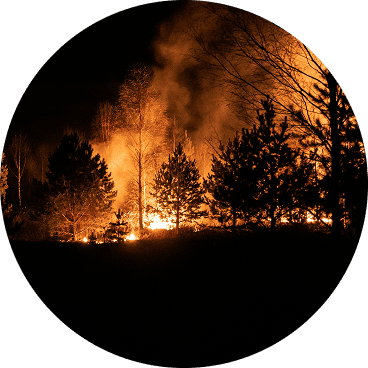
What's In The Smoke
30xSmaller than a human hair
Fine enough to reach deep into the lungs. A MERV 13 is built to capture it.
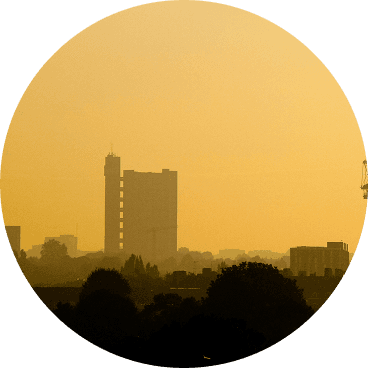
How Far It Travels


It Doesn't Stay Local
Smoke rides the wind far downwind — you can get smoky air with no fire nearby.
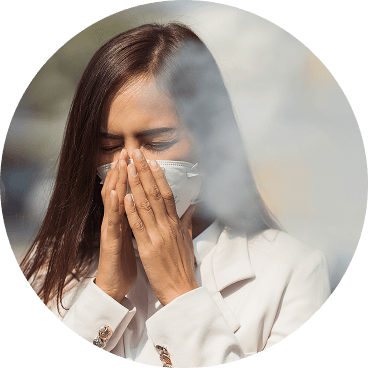
What To Do During A Smoke Event
Simple steps to reduce indoor exposure.
- Stay In, Close UpShut windows and doors to keep smoke out.
- Set Fan To "On"Keeps air cycling through your filter, not just when heating or cooling.
- Recirculate AirSwitch off fresh-air intake so you're not pulling smoke in.
- Run A MERV 13Built to capture the fine PM2.5 in smoke.
- Add A PurifierExtra filtration for the room you use most.
- Wear an N95 if OutsideFits snug to block fine particles — a cloth mask won't.


The Best Air Filter For Wildfire Smoke
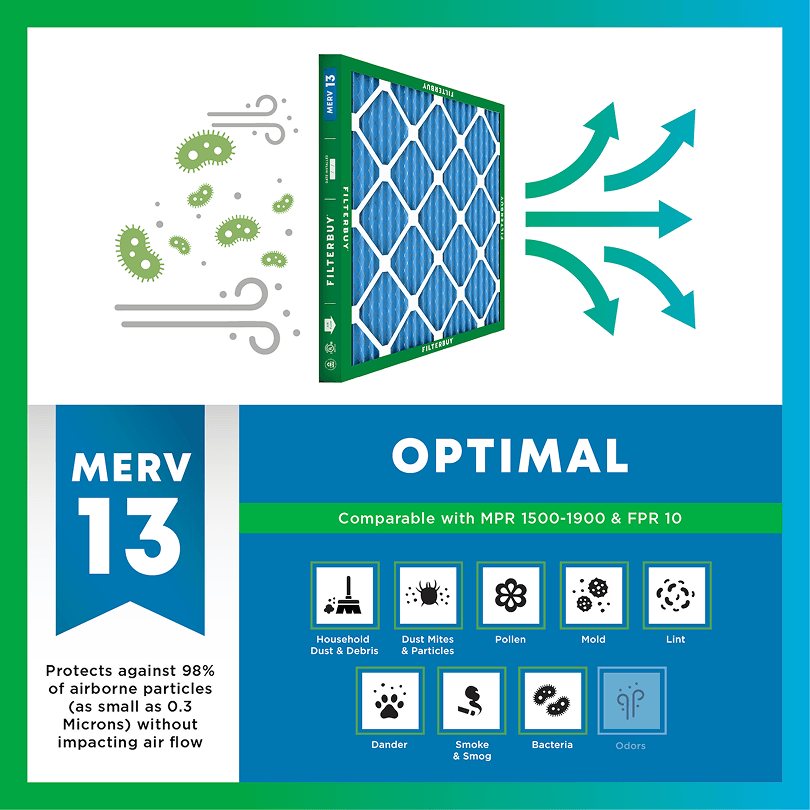
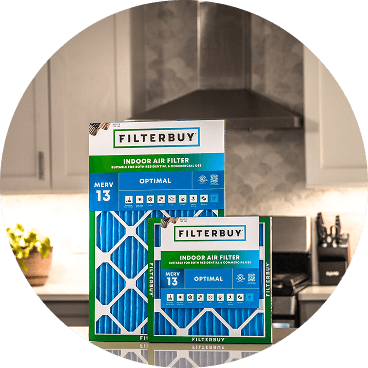
During smoke events, the EPA recommends upgrading to a MERV 13 filter — or the highest-rated filter your system can handle — to help reduce the fine particles smoke brings indoors. MERV 13 is the level most home HVAC systems can run while still capturing PM2.5, the fine particulate that makes up the bulk of wildfire smoke.
- Captures PM2.5 particles
- Blocks ash, soot, and smoke odor
- Keeps your indoor air safe—even when the outdoor air is dangerous
- Meets the EPA's recommended rating for filtering fine wildfire smoke particles.

Wildfire Smoke FAQs
Facts About Wildfires
Over 70,000 wildfires burn in the U.S. every year.
Wildfire smoke can travel 1,000+ miles, affecting states that aren't even near the blaze.
Exposure to wildfire smoke can worsen asthma, trigger heart issues, and lead to ER visits.
Indoor air can hold more fine particles during wildfire events unless it's properly filtered.
The EPA advises using MERV 13 filters or portable HEPA air cleaners during wildfire smoke events.
Don't Wait Until The Smoke's Inside.
Use the live wildfire smoke tracker and upgrade your air filters today to protect your lungs and your home.
Shop Filters For Smoke Protection
Live Burnaby, BC Forest Wildfire & Smoke Map Today: Local Air Quality Tracking & Indoor Protection Solutions
TL;DR
Filterbuy's live wildfire and smoke map below shows active fires and smoke around Burnaby, BC. For what you're breathing, check the nearest station on Metro Vancouver AirMap and follow Metro Vancouver air quality warnings. When the AQHI reaches 7, Filterbuy's action line, run a MERV 13 filter in your furnace with the fan On, add a portable HEPA air cleaner in each occupied room, and close the house up.
Filterbuy's take: This page links the official Burnaby sources we rely on and shares what a decade-plus of making filters in Filterbuy's U.S. plants has taught us: a filter you change on time does more than a higher rating you forget.
Key Takeaways
Metro Vancouver runs six air monitoring stations in Burnaby.
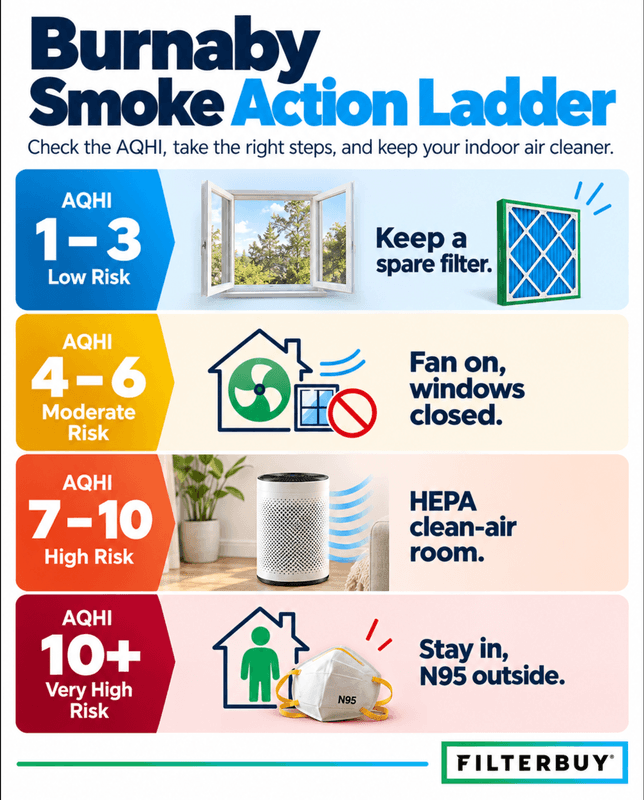
Canada measures smoke risk with the Air Quality Health Index (AQHI): 1–3 low, 4–6 moderate, 7–10 high, 10+ very high.
At AQHI 7, Filterbuy's action line, pair a MERV 13 furnace filter (fan On) with a portable HEPA cleaner in each occupied room.
Is There a Wildfire or Smoke in Burnaby Today?
Filterbuy's live map above shows Burnaby fire and smoke conditions in real time. Flame icons mark active fires from the Canadian Wildland Fire Information System, with new fires flagged separately, and the shaded layer shows satellite-detected smoke.
Before you open a window or change a filter, Filterbuy recommends a quick three-step check:
Look for fire points in the Lower Mainland or Fraser Valley.
Follow the smoke. The FireSmoke Canada smoke forecast shows where it's heading over the next two days.
Read the station. The nearest Burnaby station on Metro Vancouver AirMap shows the air right now.
Where Can I Check Official Burnaby Fire and Smoke Data?
Four public sources cover official Burnaby data. The BC Wildfire Service dashboard tracks fires, Metro Vancouver AirMap reports local air quality, the BC Air Quality Health Index forecast shows the health risk ahead, and EmergencyInfoBC posts evacuation orders. Near the border, the U.S. AirNow Fire and Smoke Map adds extra sensor detail.
Table 1: Official Burnaby Fire and Smoke Data Sources
Map data: CWFIS (Natural Resources Canada) fires and NOAA satellite smoke.
Metro Vancouver AirMap posts hourly readings from six Burnaby stations: Burnaby South, Kensington Park, Capitol Hill, Burnaby North, Burmount and Burnaby Mountain. Use the one nearest your home:
Metrotown and Edmonds: Burnaby South.
Brentwood and the Heights: Kensington Park or Capitol Hill.
SFU and UniverCity: Burnaby Mountain.
To get alerts instead, sign up for Metro Vancouver air quality email alerts and Alertable emergency alerts for Burnaby.
Why Does Burnaby Get Smoky When the Fires Are Far Away?
Most of Burnaby's smoke comes from BC Interior fires, often funnelled down the Fraser Canyon, and from Washington State, so the city can be smoky with no fire nearby.
The smoke also follows a daily rhythm: a Metro Vancouver analyst told the Squamish Chief that outflow winds tend to carry smoke in overnight, while daytime winds bring cleaner coastal air. Mornings can be the smokiest part of the day, so check before opening windows, and look again in the afternoon.
In early September 2025, Metro Vancouver's AQHI reached 10+, according to the BC Lung Foundation's 2026 State of the Air report as reported by Daily Hive. On August 5, 2026, wildfire smoke brought a yellow warning, Global News reported.
Can a Wildfire Start in Burnaby?
A wildfire can start in Burnaby, although local fires are usually small and quickly contained. The main concern is Burnaby Mountain, one of the city's largest forests, which sits on the urban-wildland interface near Simon Fraser University and the Trans Mountain tank farm.
In May 2026, the city finished installing a City of Burnaby wildfire detection system that spots heat and smoke in near real time, and the new Fire Station 8 holds specialized wildfire equipment. If you see smoke or flames on Burnaby Mountain, call 911. Elsewhere in BC, report wildfires at *5555 from a cell or 1-800-663-5555, per EmergencyInfoBC.
What Do Burnaby's AQHI Numbers Mean for My Home?
At AQHI 7 or higher, Filterbuy's action line, put a MERV 13 filter in your HVAC, set the thermostat fan to On, run a portable HEPA air cleaner in each occupied room (bedrooms first), and close the house up. In a home without ducted heating, the portable HEPA cleaners are your main defence. If your app shows the U.S. Air Quality Index (AQI) instead, act at 100.
The AQHI doesn't convert directly to the 0–500 AQI. Filterbuy built the ladder below from the Province's AQHI health messages.
Table 2: Burnaby Smoke Action Ladder by AQHI Level
AQHI bands and health messages from the Province of BC and Environment and Climate Change Canada. Warning colours from Metro Vancouver. Actions are Filterbuy recommendations.
At 7 to 10, the BC Air Quality Health Index forecast advises people at higher risk to cut back on strenuous outdoor activity, and to avoid it above 10. People with asthma, COPD or heart conditions should follow their health care provider's advice. At 10+, official guidance comes first and filtration is only one layer.
How Do I Protect Indoor Air in a Burnaby Home?
A house with ducted heating gets two layers: MERV 13 in the system for the whole home, plus portable HEPA cleaners for the rooms you use. A condo without ducted heating relies on portable cleaners alone.
In a house with a furnace or heat pump:
Install a MERV 13 filter before smoke season. Health Canada's guidance for cleaner air spaces during wildfire smoke recommends MERV 13 or higher. The EPA notes that most furnaces and HVAC systems can use MERV 13 without equipment problems, provided the filter is replaced often. Just confirm the size.
Switch the fan from "Auto" to "On." Auto only filters while the system heats or cools; On filters continuously.
Add a portable HEPA air cleaner in each occupied room, bedrooms first.
Close the house up. Shut windows, close fresh-air intakes or set your HRV or ERV to recirculate, and limit exhaust fans. Skip candles, frying and smoking indoors.
Inspect the filter during smoke events. Replace it when it looks dark brown or black, which can be well before the normal interval, and keep spares on hand.
In a condo or apartment:
Run a certified HEPA air cleaner in each occupied room, bedrooms first. The BCCDC portable air cleaner fact sheet reports that these units cut small particles by 40–80% in studies. For sizing, EPA guidance calls for a smoke CADR of at least two-thirds of the room's square footage, so a 300 sq ft bedroom needs a CADR of about 200. EPA also advises against air cleaners that produce ozone, so skip ozone generators and ionizers.
Consider a DIY box fan air cleaner as a stopgap. EPA research on DIY air cleaners found a box fan with a MERV 13 filter reduces smoke. Use a certified fan from 2012 or newer and never leave it unattended. SFU's BREATHE DIY air cleaner project has instructions in 11 languages.
Ask your strata whether the building's make-up air system can take MERV 13 filters.
On hot days, don't seal up a home with no cooling; the BCCDC notes heat stress is often the bigger risk.
Most systems I test are not struggling because the filter is too efficient. They are struggling because it has been in there since spring.
Technician, Filterbuy HVAC Solutions
HEPA belongs in portable cleaners, while MERV 13 goes in the furnace; see MERV 13 vs. HEPA for wildfire smoke.
When Should Burnaby Homes Prepare for Smoke Season?
Burnaby's smoke season is predictable enough to plan around. The FireSmoke Canada smoke forecast runs April to September, and Metro Vancouver posts most smoke updates June to September, so Filterbuy suggests installing MERV 13 and stocking spares in spring.
Table 3: Burnaby Smoke-Season Filter Plan
Sources: FireSmoke Canada, Metro Vancouver, U.S. EPA. Actions are Filterbuy recommendations.
Which Air Filter Is Best for Wildfire Smoke in Burnaby?
MERV 13 is the filter tier Filterbuy recommends for wildfire smoke, and our guide to the best MERV filter for wildfire smoke explains seasonal use. Filterbuy cuts MERV 13 air filters to order in 600+ sizes, plus custom air filters. A tip from Filterbuy's exchange desk: most fit problems start with measuring the old filter instead of the slot. Pleated filters capture particles; they don't remove gases or odours.
Filterbuy auto-delivery ships a fresh filter every one, two or three months at 5% off. Delivery details are in Filterbuy's shipping and returns policy.
CTA buttons: Find your Filterbuy MERV 13 size → · Set up auto-delivery →
Learn more: Filterbuy's British Columbia wildfire and smoke map
Supporting Statistics: What the Research Shows
1. Wildland fires produce 52% of U.S. fine-particle emissions.
EPA's 2020 National Emissions Inventory estimated wildland fires produced 52% of U.S. PM2.5 (fine particles 2.5 micrometres or smaller). Source: EPA, Wildland Fire Research: Reducing Exposures
2. A closed-up home still holds roughly 55–60% of outdoor smoke.
With doors and windows shut and no air cleaner running, the EPA reports that indoor PM2.5 during smoke is typically 55% to 60% of outdoor levels (30% to 100% by home). Source: EPA, Strategies to Reduce Exposure Indoors
3. A high-efficiency filter with the fan on can cut indoor PM2.5 by about half.
The EPA cites research (Fisk and Chan, 2017) showing that a high-efficiency filter with the fan running continuously may lower indoor PM2.5 by roughly 50%, compared with roughly 24% for a typical filter. Source: EPA, Strategies to Reduce Exposure Indoors
Frequently Asked Questions
What Merv Rating Do I Need for Wildfire Smoke?
MERV 13. It is the tier Filterbuy recommends for smoke, and EPA recommends MERV 13 or higher in a central system during smoky periods.
How Many Spare Filters Do I Need for Smoke Season?
Keep two or three spares per filter slot before the season starts. Smoke loads filters quickly, so inspect yours during smoke events and replace it when it looks dark brown or black.
Glossary
AQHI (Air Quality Health Index): Canada's 1-to-10+ health-risk scale for air pollution, used in Burnaby's official warnings.
AQI (Air Quality Index): The U.S. EPA's 0–500 scale used by many apps.
PM2.5: Fine particles 2.5 micrometres or smaller, the main harmful part of wildfire smoke.
MERV 13: A Minimum Efficiency Reporting Value rating that captures most fine smoke particles in home HVAC systems.
HEPA: High-efficiency particulate air filtration, the standard in portable air cleaners.
AHAM: The Association of Home Appliance Manufacturers, which certifies portable air cleaner CADR ratings.
CADR: Clean air delivery rate, the filtered airflow a portable air cleaner delivers, shown in cfm on AHAM labels.
CWFIS: Natural Resources Canada's Canadian Wildland Fire Information System, the fire data behind Filterbuy's map.
Outflow winds: Interior-to-coast winds that often carry smoke through the Fraser Canyon overnight.
About the Author and Reviewer
Michelle Wan is Brand Manager and Air Quality Writer at Filterbuy (B.A., University of California, Santa Cruz). She works directly with Filterbuy's U.S. manufacturing teams and writes from how filters are built and used.
David Clark is a Licensed HVAC Technician and President of Filterbuy HVAC Solutions. He is EPA-certified and a South Florida Academy of Air Conditioning graduate.
Sources
Health Canada · BCCDC · Province of BC AQHI · Metro Vancouver wildfire smoke guidance · City of Burnaby · BC Lung Foundation · U.S. EPA wildland fire research · U.S. EPA indoor strategies