
Airdrie, AB Live Wildfire Smoke Map
Get Alerts For Wildfires In Your Area
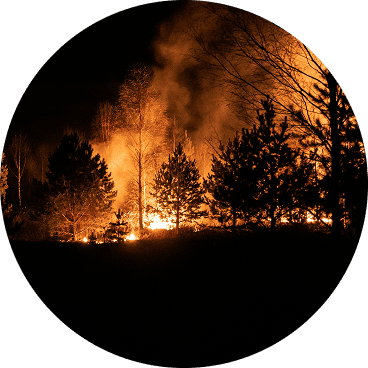
The moment a wildfire starts near you, you'll get an instant alert and simple tips to reduce your smoke exposure.
What's In The Smoke
30xSmaller than a human hair
Fine enough to reach deep into the lungs. A MERV 13 is built to capture it.
How Far It Travels


It Doesn't Stay Local
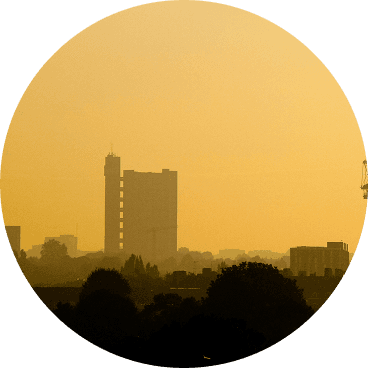
Smoke rides the wind far downwind — you can get smoky air with no fire nearby.
What To Do During A Smoke Event
Simple steps to reduce indoor exposure.
- Stay In, Close UpShut windows and doors to keep smoke out.
- Set Fan To "On"Keeps air cycling through your filter, not just when heating or cooling.
- Recirculate AirSwitch off fresh-air intake so you're not pulling smoke in.
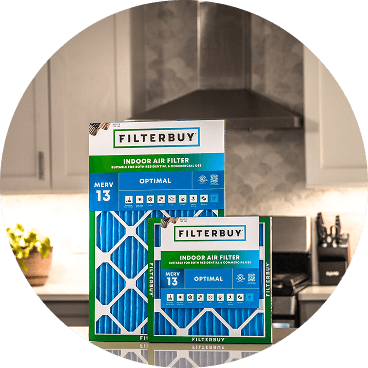
- Run A MERV 13Built to capture the fine PM2.5 in smoke.
- Add A PurifierExtra filtration for the room you use most.
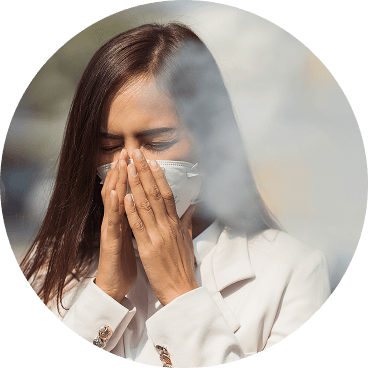
- Wear an N95 if OutsideFits snug to block fine particles — a cloth mask won't.


The Best Air Filter For Wildfire Smoke
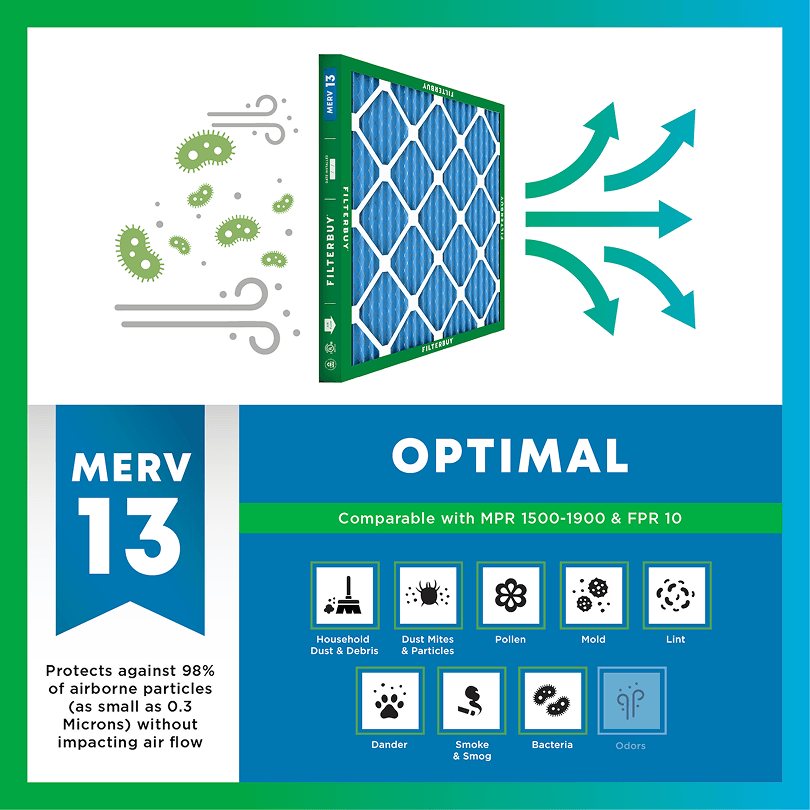
During smoke events, the EPA recommends upgrading to a MERV 13 filter — or the highest-rated filter your system can handle — to help reduce the fine particles smoke brings indoors. MERV 13 is the level most home HVAC systems can run while still capturing PM2.5, the fine particulate that makes up the bulk of wildfire smoke.
- Captures PM2.5 particles
- Blocks ash, soot, and smoke odor
- Keeps your indoor air safe—even when the outdoor air is dangerous
- Meets the EPA's recommended rating for filtering fine wildfire smoke particles.

Wildfire Smoke FAQs
Facts About Wildfires
Over 70,000 wildfires burn in the U.S. every year.
Wildfire smoke can travel 1,000+ miles, affecting states that aren't even near the blaze.
Exposure to wildfire smoke can worsen asthma, trigger heart issues, and lead to ER visits.
Indoor air can hold more fine particles during wildfire events unless it's properly filtered.
The EPA advises using MERV 13 filters or portable HEPA air cleaners during wildfire smoke events.
Don't Wait Until The Smoke's Inside.
Use the live wildfire smoke tracker and upgrade your air filters today to protect your lungs and your home.
Shop Filters For Smoke Protection
Live Airdrie, AB Forest Wildfire & Smoke Map Today: Local Air Quality Tracking & Indoor Protection Solutions
TL;DR
The live wildfire smoke map above shows active fires and smoke plumes around Airdrie, Alberta. Most smoke here comes from distant fires, so check the Airdrie Air Quality Health Index (AQHI) before you head out. Many smoke seasons with Alberta households have taught us that the map tells you where smoke is coming from, while your furnace fan and filter decide what you breathe indoors. On smoky days, close up the house and set the fan to "On." If your system can take it, a Filterbuy MERV 13 air filter will catch the fine particles.
Key Takeaways
The AQHI runs from 1 to 10+: 1–3 is low risk, 4–6 moderate, 7–10 high and above 10 very high.
Smoke in Airdrie usually blows in from fires in other regions.
Health Canada recommends a MERV 13 or higher filter to remove the fine particles (PM2.5) in wildfire smoke.
A filter only works when air moves through it, so the fan setting matters as much as the filter.
Airdrie, AB Live Wildfire and Smoke Map
Filterbuy's live map above plots active wildfires from Natural Resources Canada (CWFIS), including fires detected in the past 24 hours. The smoke layer comes from NOAA's Hazard Mapping System. Sign up below the map for new-fire alerts by postal code.
Is There a Wildfire Near Airdrie Today?
Most days there's no wildfire near Airdrie, even under a hazy sky. The smoke usually comes from fires in northern Alberta, B.C., Saskatchewan or the US.
That pattern kept showing up in Alberta Wildfire's 2026 updates. On 23 July 2026, the Calgary Forest Area reported persistent smoke from fires across Canada and the US, yet no local wildfire was adding to it. Here, the wind decides when smoke arrives.
Airdrie also sits outside Alberta's Forest Protection Area. Alberta Wildfire explains that fires outside that area fall to the local authority, so a grass fire in Airdrie is handled by the Airdrie Fire Department and may never appear on the provincial map, which is why it can look empty on a hazy day.
Grass fires are the more likely local risk. To report a wildfire in a forested area, call 310-FIRE (310-3473). If a fire is threatening people or property, call 911, and follow the Alberta Emergency Alert app for evacuation orders.
How Smoky Is It in Airdrie? Reading the AQHI
The Air Quality Health Index (AQHI) is Canada's official air quality scale. It blends PM2.5, ozone and nitrogen dioxide into a 1–10+ score with health advice for each level.
On 24 July 2026, smoke from B.C. and US fires put Calgary's AQHI at 10+ and gave Airdrie the third-worst air quality in Canada on IQAir's ranking that day.
Airdrie AQHI Home Action Guide
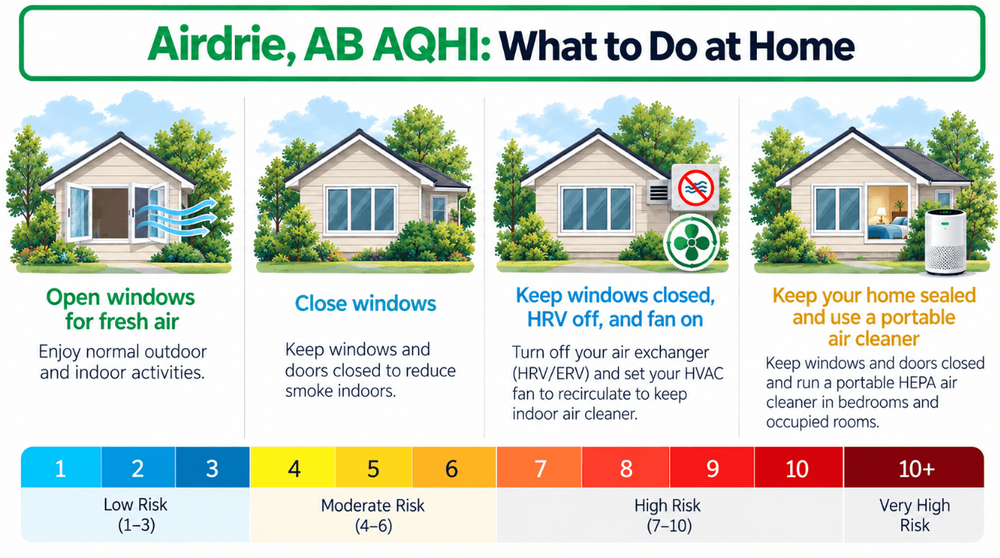
We treat AQHI 4 as the point to act. It isn't an official threshold, and at-risk groups may want to act sooner. People with heart or lung conditions, older adults, pregnant people and children tend to feel smoke first. If you must go out in heavy smoke, ECCC notes a well-fitted N95-type respirator can reduce exposure. For smoke-related health concerns, call Health Link at 811.
When Is Wildfire Smoke Season in Airdrie?
Smoke can reach Airdrie at any point in Alberta's official wildfire season, which runs from 1 March to 31 October. In 2026, a wet early summer gave Alberta its first August day without an active wildfire in more than 40 years.
Does Airdrie Have a Fire Ban Today?
Airdrie's fire status changes with the weather, so check Alberta Fire Bans or the City of Airdrie website for today's status before lighting any outdoor fire. Fines apply during a ban.
The Airdrie Fire Department sets the city's status, and Rocky View County sets a separate one. Provincial bans cover Crown land, so they don't apply inside city limits.
How to Protect Your Airdrie Home From Wildfire Smoke
When Filterbuy's HVAC team talks with Alberta customers, the fan setting comes up most. Smoke tends to arrive in summer, after the furnace has sat idle for months, and a fresh filter can't clean air that isn't moving through it. Health Canada's wildfire smoke guidance also calls for a high-quality filter and less use of exhaust fans.
Step 1: Seal Up And Close The Fresh-Air Intake
Once the AQHI climbs, close your windows and doors. You won't find a recirculate button, because a furnace already recirculates indoor air. If your home has a heat recovery ventilator (HRV) or fresh-air damper, close the fresh-air intake until the smoke clears.
Step 2: Set The Furnace Fan To "On"
On "Auto," the blower only runs while the system is heating or cooling. Switching it to "On" keeps air moving through the filter all day. When we costed out running the fan nonstop during smoke, a modern blower added only a few dollars over two weeks.
"The cost question is usually a proxy for a different worry: people are not sure the fan is doing anything, so any amount feels like too much. Put a number on it and the objection tends to dissolve. Six dollars over two weeks to cut the fine particles in your house roughly in half is not a close call."
— Michelle Wan, Brand Manager, Filterbuy
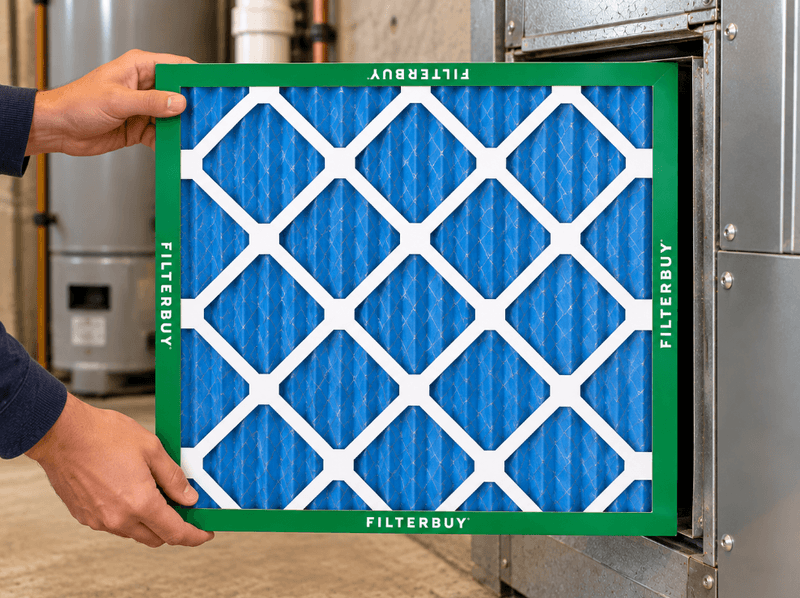
Step 3: Upgrade To A Merv 13 Furnace Filter
Health Canada recommends MERV 13 or higher for smoke. Filterbuy's guide to the best MERV filter for wildfire smoke explains why MERV 13 is the usual pick.
If a smoky smell hangs around after the haze lifts, a Filterbuy Odour Eliminator filter can help.
Step 4: Check Your Filter More Often During Smoke
Heavy smoke loads a filter quickly. During smoky stretches, check yours every few weeks and swap in a fresh Filterbuy filter once it looks grey.
"The mistake I see most often is the fan setting getting flipped to On with the same filter that has been in the slot since spring. All that does is move smoke around the house faster. Change the filter first, then change the setting."
— David Clark, Licensed HVAC Technician
Filterbuy's order data shows orders spike within hours of a fire starting, right as shipping slows and popular MERV 13 sizes run short. Keep a spare on the shelf before summer, or let Filterbuy's air filter subscription deliver on your schedule.
Step 5: Check That It's Working
Health Canada's test is simple: filtration is working when indoor PM2.5 stays lower than outdoor PM2.5. A low-cost indoor monitor checked against the Airdrie AQHI shows whether you're keeping up.
Watch the temperature, too. Health Canada's guidance targets indoor temperatures below 26°C, so if sealing up makes the house hotter than that, cooling comes first.
After The Smoke Clears
A sealed house can trap pollutants, so reopen the fresh-air intake once the plume moves on. Then replace the smoke-loaded filter and set the fan back to "Auto."
Your Airdrie Filter Year
Airdrie furnaces run hard from autumn to spring, so don't take your smoke-season filter into winter.
Supporting Statistics
Sources: Health Canada wildfire smoke health report; Canadian Climate Institute, 9 July 2026; Health Canada cleaner air guidance.
FAQ: Airdrie Wildfires and Smoke
Where can I see a live wildfire map for Airdrie, AB today?
Right here. The map above shows fires and smoke around Airdrie; zoom out to see where the haze is coming from.
Is it safe to go outside in Airdrie today?
Check the Airdrie AQHI first. At 1–3, conditions are ideal for most people. At 7 or higher, people with heart or lung conditions should reschedule strenuous outdoor activity.
What size furnace filter do I need?
Check the edge of your current filter for a size like 16x25x1. Filterbuy makes over 600 air filter sizes as well as custom-size air filters, all shipped free to Canada.
How often should I change my furnace filter during wildfire smoke?
Check it every few weeks during smoky stretches and replace it once it looks grey. Heavy smoke loads a filter much faster than everyday dust.
Should I turn off my HRV during wildfire smoke?
Yes. Close its intake while smoke is heavy and reopen it once the air clears.
Glossary
AQHI (Air Quality Health Index): Canada's 1–10+ air quality scale, combining PM2.5, ozone and nitrogen dioxide with health advice.
AQI (Air Quality Index): The US 0–500 scale shown on some apps; not directly comparable with the AQHI.
CWFIS: Natural Resources Canada's Canadian Wildland Fire Information System, a fire data source for the map above.
Hazard Mapping System (HMS): NOAA's satellite smoke detection product behind the map's smoke layer.
Filterbuy: A direct-to-consumer air filter manufacturer serving Canada through filterbuy.ca, with over 600 pleated sizes made in the U.S.
Forest Protection Area: Alberta's forested Crown land, where Alberta Wildfire handles fires.
HEPA: High-efficiency particulate air filtration, used in portable air cleaners.
HRV (heat recovery ventilator): A system that swaps indoor air for outdoor air while recovering heat.
MERV (Minimum Efficiency Reporting Value): A 1–16 rating of how well an HVAC filter captures airborne particles.
PM2.5: Fine particles 2.5 micrometres or smaller, the main health concern in wildfire smoke.
Breathe Easier in Airdrie
Check the AQHI on hazy days and keep a spare Filterbuy filter ready for the next smoke event.
Find Your Filter Size · Shop MERV 13 Filters
Every Filterbuy filter is crafted in our own American facilities and shipped free to Canada, with no minimum order. Questions? Call (855) 345-8289 or email info@filterbuy.com.