
Terrebonne, QC Live Wildfire Smoke Map
Get Alerts For Wildfires In Your Area
The moment a wildfire starts near you, you'll get an instant alert and simple tips to reduce your smoke exposure.
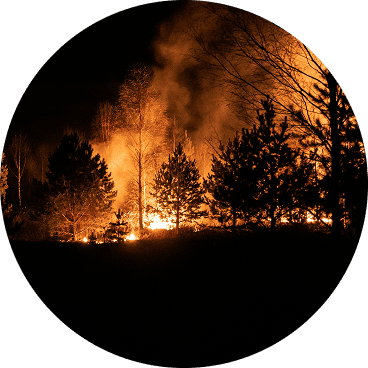
What's In The Smoke
30xSmaller than a human hair
Fine enough to reach deep into the lungs. A MERV 13 is built to capture it.
How Far It Travels


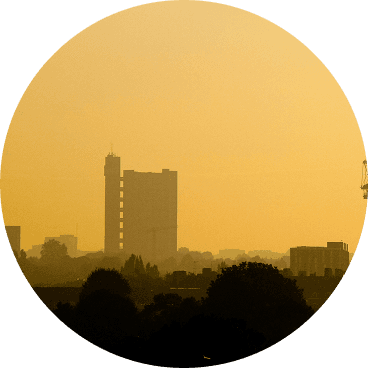
It Doesn't Stay Local
Smoke rides the wind far downwind — you can get smoky air with no fire nearby.
What To Do During A Smoke Event
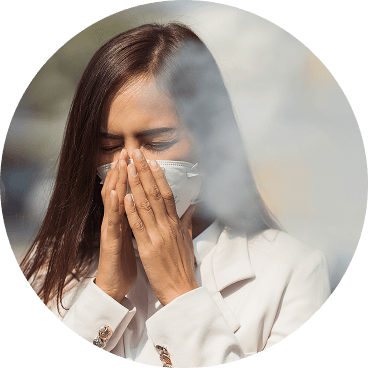
Simple steps to reduce indoor exposure.
- Stay In, Close UpShut windows and doors to keep smoke out.
- Set Fan To "On"Keeps air cycling through your filter, not just when heating or cooling.
- Recirculate AirSwitch off fresh-air intake so you're not pulling smoke in.
- Run A MERV 13Built to capture the fine PM2.5 in smoke.
- Add A PurifierExtra filtration for the room you use most.
- Wear an N95 if OutsideFits snug to block fine particles — a cloth mask won't.


The Best Air Filter For Wildfire Smoke
During smoke events, the EPA recommends upgrading to a MERV 13 filter — or the highest-rated filter your system can handle — to help reduce the fine particles smoke brings indoors. MERV 13 is the level most home HVAC systems can run while still capturing PM2.5, the fine particulate that makes up the bulk of wildfire smoke.
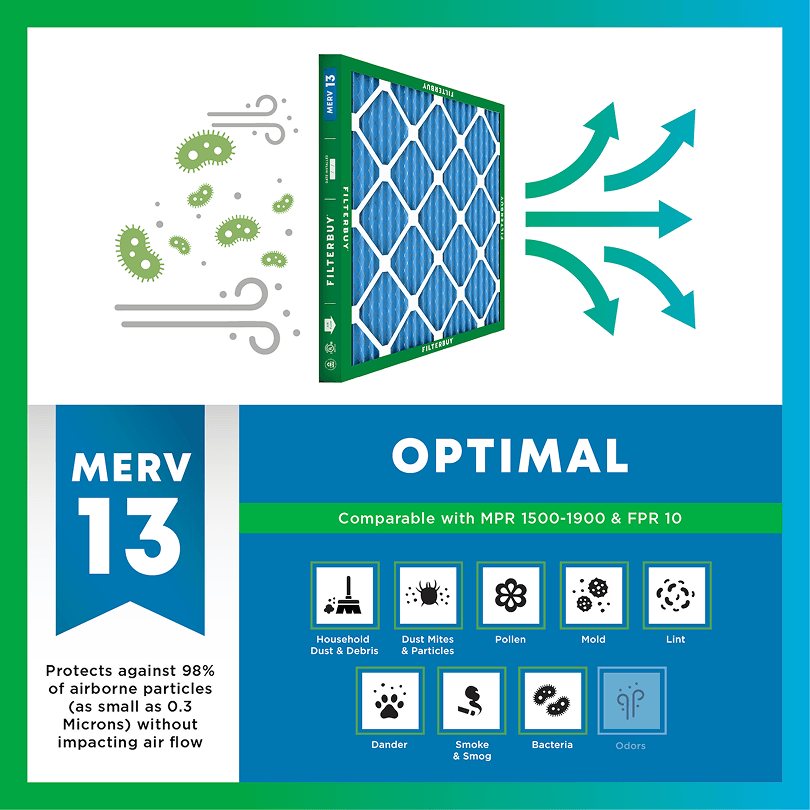
- Captures PM2.5 particles
- Blocks ash, soot, and smoke odor
- Keeps your indoor air safe—even when the outdoor air is dangerous
- Meets the EPA's recommended rating for filtering fine wildfire smoke particles.

Wildfire Smoke FAQs
Facts About Wildfires
Over 70,000 wildfires burn in the U.S. every year.
Wildfire smoke can travel 1,000+ miles, affecting states that aren't even near the blaze.
Exposure to wildfire smoke can worsen asthma, trigger heart issues, and lead to ER visits.
Indoor air can hold more fine particles during wildfire events unless it's properly filtered.
The EPA advises using MERV 13 filters or portable HEPA air cleaners during wildfire smoke events.
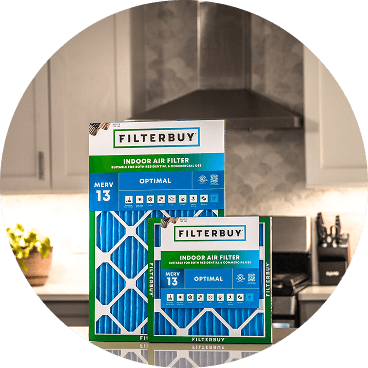
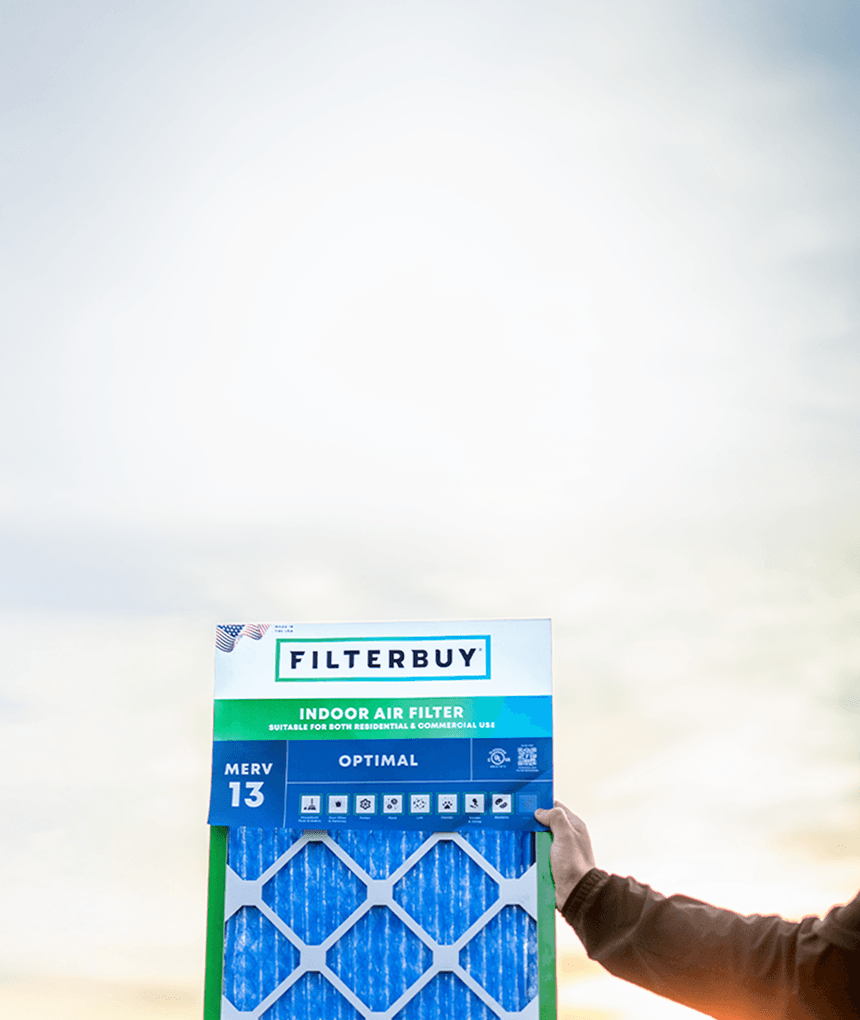
Don't Wait Until The Smoke's Inside.
Use the live wildfire smoke tracker and upgrade your air filters today to protect your lungs and your home.
Shop Filters For Smoke Protection
Live Terrebonne, QC Forest Wildfire & Smoke Map Today: Local Air Quality Tracking & Indoor Protection Solutions
TL;DR
The Filterbuy live map above shows the forest fires and smoke plumes upwind of Terrebonne, QC today. Fires near the city are rare, but smoke from distant fires in Quebec and the Prairies drifts in regularly. When the AQI goes over 100, switch to a MERV 13 filter if you have a central HVAC system, and run a HEPA air purifier in each room.
Key Takeaways
Most smoke in Terrebonne comes from fires hundreds of kilometres away, so check the smoke layer before the fire icons.
Terrebonne has its own provincial air quality station, and Lanaudière logs fewer "good" air days than almost any other Quebec region: 211 days (57.7%) in 2024, per Statistique Québec.
Over AQI 100, switch to MERV 13 if you have an HVAC system and run a HEPA air purifier in each room. The U.S. EPA and Environment Canada's smoke advisories both recommend MERV 13 or higher.
How To Read The Live Wildfire Map For Terrebonne, QC Today
The map layers fire locations from Natural Resources Canada's Canadian Wildland Fire Information System (CWFIS) over satellite smoke plumes from the NOAA Hazard Mapping System, updated twice a day. For the whole country, see our Canada wildfire and smoke map.
To check Terrebonne today:
Centre the map on the north shore of Montreal, just northeast of Laval.
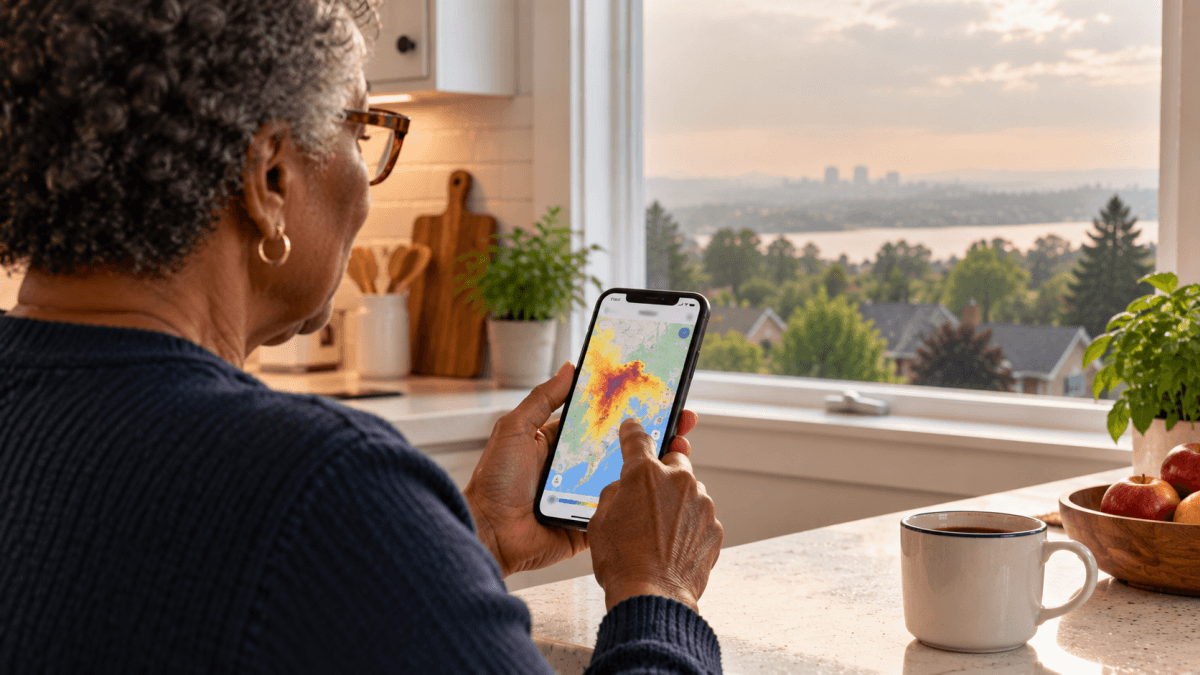
Turn on the smoke layer. The darker the band, the denser the smoke.
Scan west and north for fire icons, but trust the smoke layer more. A quiet fire map does not always mean clean air.
Check ground level. A plume can sit high above the city, so confirm with Montreal's AQHI forecast or Quebec's real-time IQA.
Look ahead with FireSmoke Canada, a University of British Columbia service that forecasts ground-level smoke for the next two days.
Is There A Forest Fire Near Terrebonne Right Now?
Forest fires inside Terrebonne itself are uncommon, and SOPFEU reported a calm situation across Quebec as of its 15 September 2026 update. The city of about 120,000 people (119,944 in the 2021 census) sits on the Rivière des Mille Îles, in the MRC Les Moulins at the southern tip of Lanaudière.
Across the province, SOPFEU (Société de protection des forêts contre le feu), Quebec's wildfire agency, posts active fires and the daily fire danger rating on its current situation page.
Status as of 6 October 2026: On 5 October 2026, Environment Canada's AQHI forecast for Montreal showed low risk (1 to 2). Conditions change quickly, so check the map too.
If a fire ever appears near Terrebonne, follow Ville de Terrebonne and local emergency services first. This page covers home filtration, not evacuation.
Why Terrebonne Gets Wildfire Smoke Without A Nearby Fire
Wildfire smoke is mostly made of fine particles called PM2.5, about 30 times smaller than a human hair. They can stay airborne for days and travel thousands of kilometres, according to Health Canada, so Terrebonne can smell like a campfire with no fire in sight. Recent seasons show it:
25–26 June 2023: Montreal recorded its worst smog days on record during a Quebec fire season that burned more than 4.3 million hectares, Global News reported.
6 June 2025: Smoke from fires in Saskatchewan and Manitoba pushed Montreal's AQHI to 8 out of 10, a high health risk, CBC reported.
July 2026: Environment Canada issued a special air quality warning for Montreal as wildfire smoke cut visibility, Cult MTL reported.
Live Smoke Map Vs. Air Quality Index: AQHI, IQA, And AQI
A smoke map shows where the smoke is; an air quality index shows what you are breathing. Terrebonne residents can use three:
AQHI is also called the Cote air santé. IQA is the indice de la qualité de l'air.
Environment Canada forecasts the AQHI in Quebec only for Montreal, Quebec City and Gatineau (Info-Smog), but Terrebonne has its own IQA station at Parc Vaillant (2022 provincial review). Each year from 1 May to 30 September, the IQA map adds smoke sensors and a 72-hour PM2.5 forecast.
Terrebonne Smoke-Day Action Plan
Official guidance comes first: follow Environment Canada air quality warnings and local public health advice. The Filterbuy smoke-day action plan then turns each AQHI level into steps at home. Our action line is a U.S. AQI over 100, or an AQHI of 7 or higher. At that point, switch to a MERV 13 filter if you have a central HVAC system, and run a HEPA air purifier in each room. MERV 13 is the filter level the U.S. EPA recommends during smoke events.
AQHI risk levels per Environment and Climate Change Canada. Actions are Filterbuy recommendations, not official guidance.
Children, people over 65 and people with health conditions face higher risk, according to Environment Canada's AQHI guidance. If you have a heart or lung condition, follow your health care provider's advice.
What To Do At Home On Smoky Days
In our experience at Filterbuy, the most common mistake is the wrong size: even a slightly small filter lets smoky air slip around the frame. Once the fit is right, follow these steps in order:
If you have a central HVAC system, switch to MERV 13. The U.S. EPA recommends MERV 13 or higher in central systems during smoke events, and it's the tier Filterbuy recommends. It treats the whole house. Shop MERV 13 air filters in your size.
Set the fan to On. On Auto, the system filters only while heating or cooling. On keeps air moving through the filter.
Run a HEPA air purifier in each room. Do this with or without central HVAC. It's Filterbuy's recommendation, because a room unit works its space harder than the central system can.
Close up the house. Keep windows and doors shut, and don't add smoke or fumes indoors, such as candles or frying.
Adjust the air exchanger. Many Quebec homes have an air exchanger (échangeur d'air, an HRV or ERV) that pulls in outdoor air. During smoke, set it to recirculate or its lowest setting, then switch back once the air clears.
A pleated filter captures smoke particles. It does not remove the gases and odours that come with smoke, and no filter makes indoor air smoke-free.
Renting Or No Central System?
Without central HVAC, skip the furnace step and run a HEPA air purifier in each room. They are your primary defence, not an extra. If you rent, the furnace may not be yours to change:
Ask your landlord or condo board which filter the system uses and when it was last changed.
Size a HEPA purifier by its tobacco smoke CADR. Health Canada suggests a CADR of at least two-thirds of the room's area, about 80 for a 10 x 12 ft (11 m²) bedroom.
Avoid ionizers and ozone generators. Health agencies advise against air purifiers that produce ozone.
Is MERV 13 right for my furnace? It's the question Filterbuy gets asked most. According to the U.S. EPA, most furnaces and HVAC systems can use MERV 13 without equipment problems when the filter is replaced often. Treat it like a size check: match the dimensions printed on your current filter's frame. See our MERV rating guide.
When to replace it during smoke: check the filter while smoke lasts and replace it once it looks dark brown or black, which can be well before the usual interval. Keep a spare or two on hand.
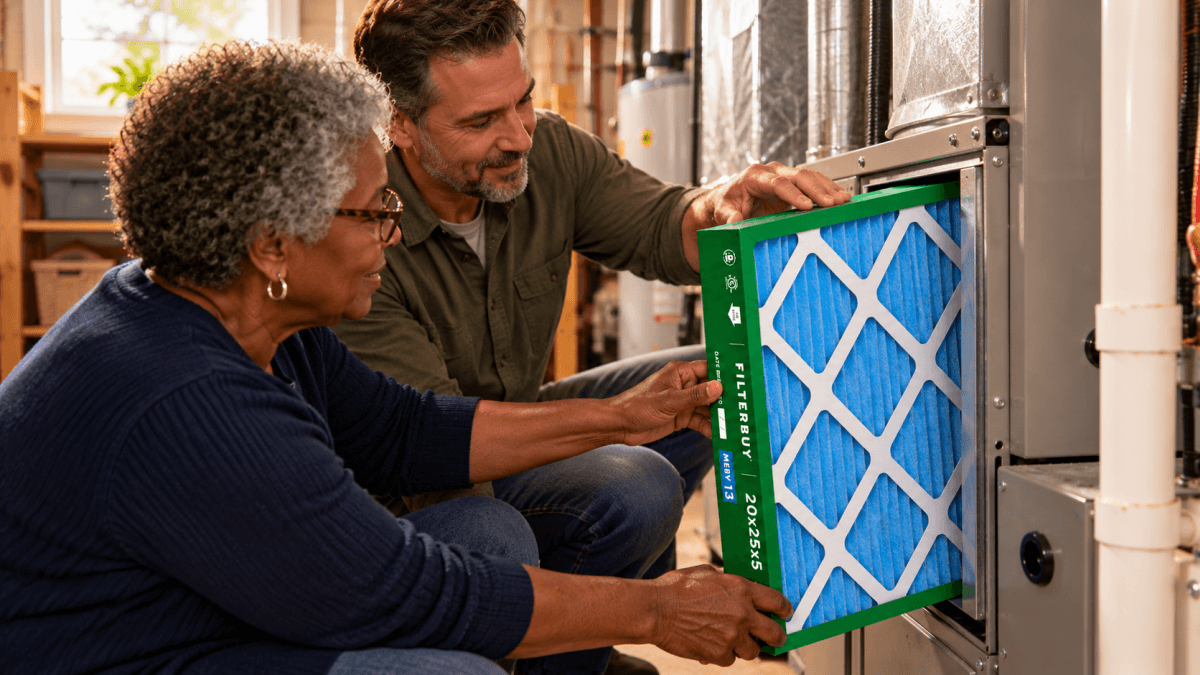
Get Ready Before The Next Smoke Day
The Filterbuy filter calendar for Terrebonne. Wildfire season usually runs from early April to October, according to Health Canada, and furnace season follows. Our plan:
Filterbuy recommendation. Change sooner in homes with pets or heavy smoke.
Filterbuy offers over 600 sizes plus custom sizes to the eighth of an inch. Shipping to Canada is free with no minimum order, and an air filter subscription sends replacements on your schedule: edit, skip, or cancel anytime.
Frequently Asked Questions
Where Can I See A Live Fire Map For Terrebonne, QC Today?
The Filterbuy live map at the top of this page shows active fires from CWFIS and smoke plumes from NOAA. For official Quebec fire updates, see SOPFEU's current situation page.
Glossary
AQHI (Air Quality Health Index / Cote air santé): Canada's health-based air quality scale, from 1 to 10+.
AQI (Air Quality Index): The U.S. EPA's 0 to 500 scale, used by many apps.
Air exchanger (HRV / ERV): A ventilation unit that trades indoor air for outdoor air while recovering heat, common in Quebec homes.
HEPA: A very fine filter standard for portable air purifiers, never furnaces.
IQA (indice de la qualité de l'air): Quebec's hourly air quality index, rated good (1–25), acceptable (26–50) or poor (51+).
MERV (Minimum Efficiency Reporting Value): A 1 to 16 rating of how well an HVAC filter captures particles. Filterbuy makes MERV 8, 11 and 13 filters.
PM2.5: Fine particulate matter 2.5 micrometres or smaller, the main component of wildfire smoke.
SOPFEU (Société de protection des forêts contre le feu): Quebec's provincial forest fire protection agency.