
City Of North Vancouver, BC Live Wildfire Smoke Map
Get Alerts For Wildfires In Your Area
The moment a wildfire starts near you, you'll get an instant alert and simple tips to reduce your smoke exposure.
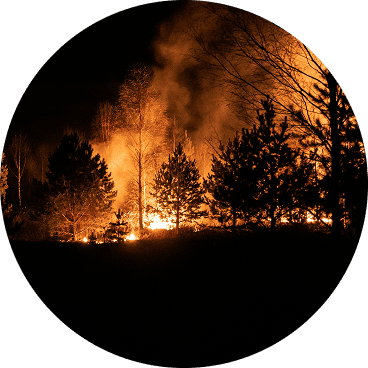
What's In The Smoke
30xSmaller than a human hair
Fine enough to reach deep into the lungs. A MERV 13 is built to capture it.
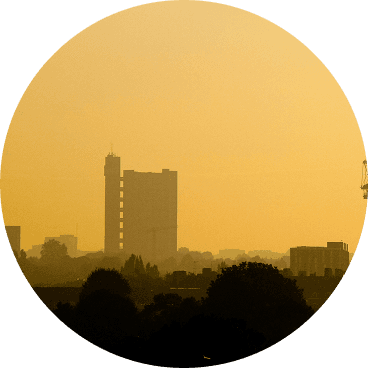
How Far It Travels


It Doesn't Stay Local
Smoke rides the wind far downwind — you can get smoky air with no fire nearby.
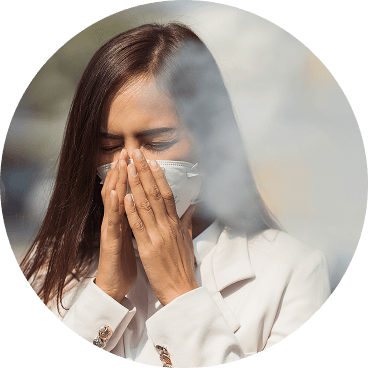
What To Do During A Smoke Event
Simple steps to reduce indoor exposure.
- Stay In, Close UpShut windows and doors to keep smoke out.
- Set Fan To "On"Keeps air cycling through your filter, not just when heating or cooling.
- Recirculate AirSwitch off fresh-air intake so you're not pulling smoke in.
- Run A MERV 13Built to capture the fine PM2.5 in smoke.
- Add A PurifierExtra filtration for the room you use most.
- Wear an N95 if OutsideFits snug to block fine particles — a cloth mask won't.


The Best Air Filter For Wildfire Smoke
During smoke events, the EPA recommends upgrading to a MERV 13 filter — or the highest-rated filter your system can handle — to help reduce the fine particles smoke brings indoors. MERV 13 is the level most home HVAC systems can run while still capturing PM2.5, the fine particulate that makes up the bulk of wildfire smoke.
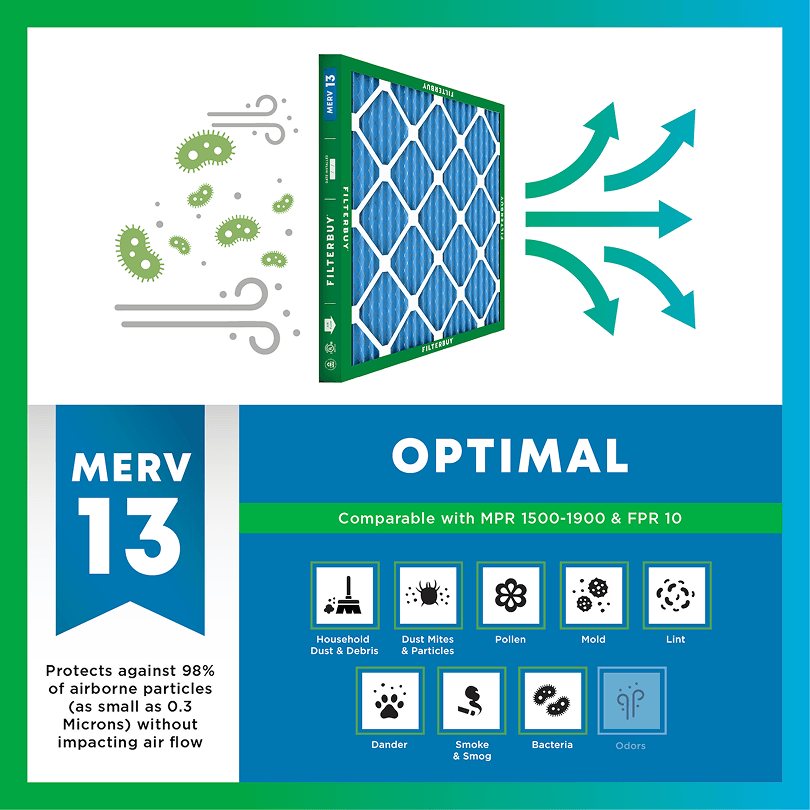
- Captures PM2.5 particles
- Blocks ash, soot, and smoke odor
- Keeps your indoor air safe—even when the outdoor air is dangerous
- Meets the EPA's recommended rating for filtering fine wildfire smoke particles.

Wildfire Smoke FAQs
Facts About Wildfires
Over 70,000 wildfires burn in the U.S. every year.
Wildfire smoke can travel 1,000+ miles, affecting states that aren't even near the blaze.
Exposure to wildfire smoke can worsen asthma, trigger heart issues, and lead to ER visits.
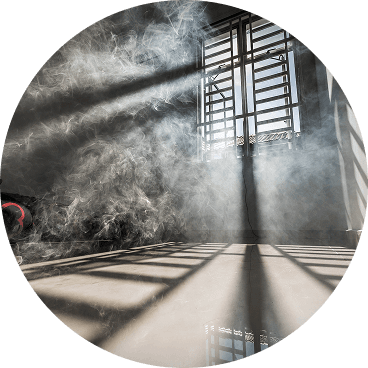
Indoor air can hold more fine particles during wildfire events unless it's properly filtered.
The EPA advises using MERV 13 filters or portable HEPA air cleaners during wildfire smoke events.
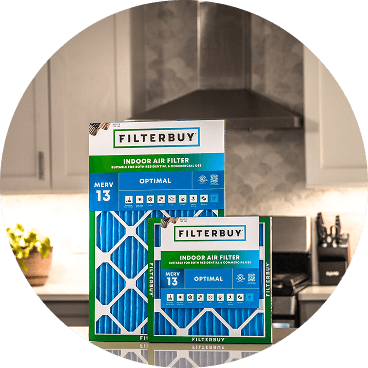
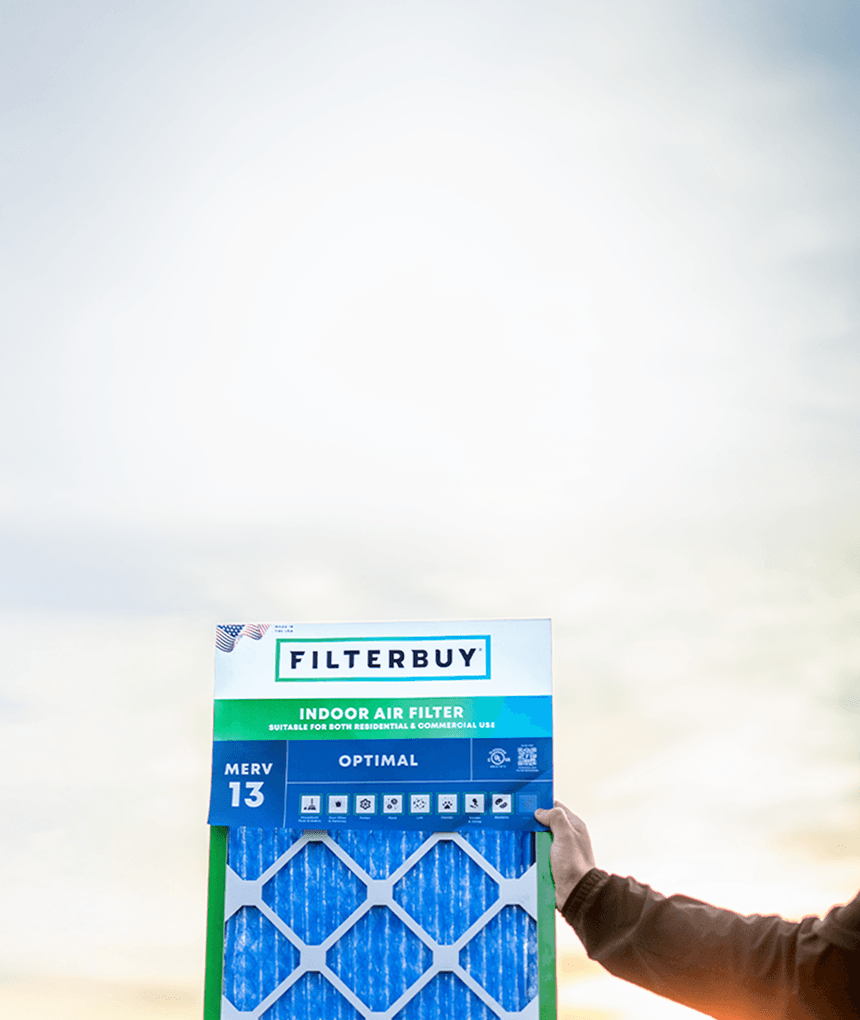
Don't Wait Until The Smoke's Inside.
Use the live wildfire smoke tracker and upgrade your air filters today to protect your lungs and your home.
Shop Filters For Smoke Protection
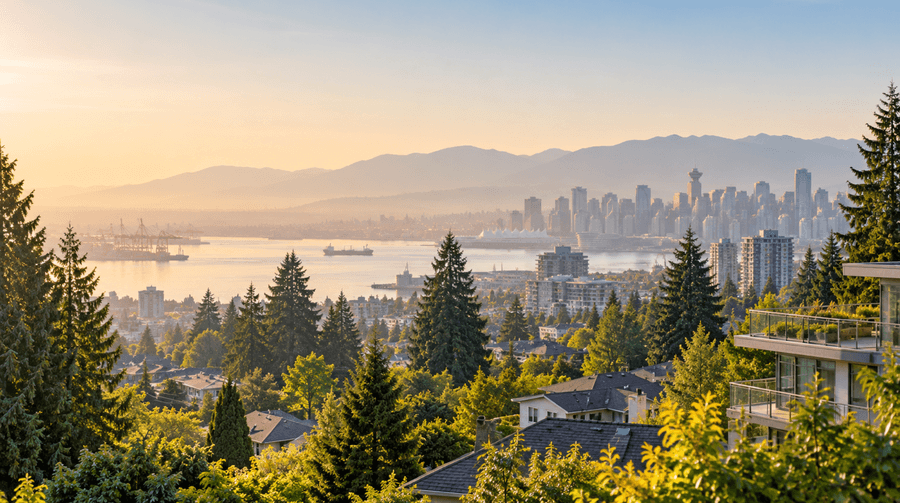
Live City of North Vancouver, BC Forest Wildfire & Smoke Map Today: Local Air Quality Tracking & Indoor Protection Solutions
Why Filterbuy Wrote This Guide
Filterbuy makes air filters, so smoke season is part of our everyday work. For more than a decade, we've made pleated filters in our own facilities in Alabama, Pennsylvania, Texas and Utah, carrying on a family filtration business that started in 1958. This guide pairs official BC fire and air data with what we've learned about reducing smoke indoors.
A smoke map tells you what's happening outside. Our focus is the other side of the wall: whether the air your family breathes at home has passed through a filter that can catch smoke particles.
Michelle Wan, Brand Manager and Air Quality Writer, Filterbuy
TL;DR
Check the BC Wildfire Service map for nearby fires and Metro Vancouver's AirMap for live air quality. Drifting smoke reaches this city far more often than flames do. When it arrives, Filterbuy recommends two layers: a MERV 13 furnace filter with the fan set to "On," plus a portable HEPA cleaner in each occupied room.
Key Takeaways
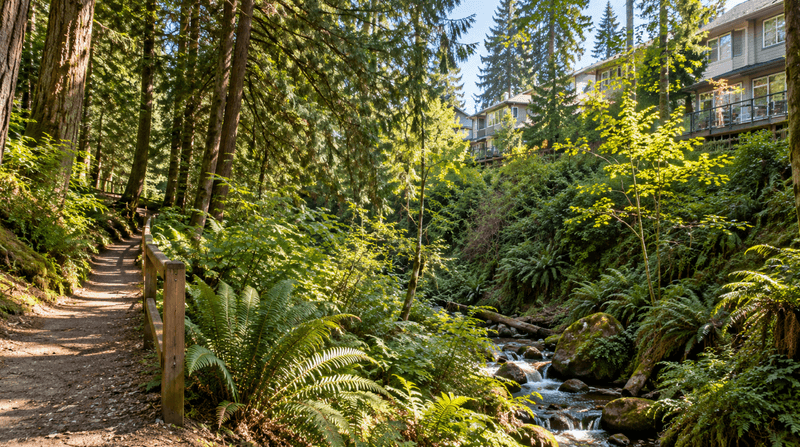
Local wildfire risk is concentrated in forested creek ravines and parks, such as Mosquito Creek.
In August 2026, smoke from distant fires pushed the North Shore's Air Quality Health Index (AQHI) to 9 out of 10.
At an AQHI of 7 or higher, Filterbuy recommends MERV 13, the furnace fan on "On," a HEPA cleaner in each occupied room and closed windows.
If you see a wildfire, report it by calling *5555 on a cellphone or 1-800-663-5555.
Live Wildfire & Smoke Map for the City of North Vancouver
Filterbuy maintains the live map at the top of this page, which shows fire detections from Natural Resources Canada's Canadian Wildland Fire Information System (CWFIS) and smoke from NOAA's Hazard Mapping System. Our how to read a wildfire smoke map guide explains the icons.
Where Can I See a Live Wildfire and Smoke Map for the City of North Vancouver Today?
The best free live maps for the City of North Vancouver are the BC Wildfire Service map for fires and Metro Vancouver's AirMap for air quality. These tools cover the rest:
Sources: BC Wildfire Service, Metro Vancouver, ECCC, FireSmoke Canada (UBC) and NSEM.
Is There a Forest Fire Risk Inside the City of North Vancouver?
The City of North Vancouver, separate from the surrounding District of North Vancouver, has a real but localised wildfire risk. Because the city is almost fully urban, its wildland-urban interface runs through forested creek ravines and parks, according to the city's 2020 Community Wildfire Protection Plan (CWPP).
Those ravines, mainly along Mackay, Mosquito and Wagg creeks, hold most of its roughly 80 hectares of natural area.
Lightning is rarely to blame here. The CWPP reports that close to 100% of ignitions around the city from 1919 to 2019 were human-caused, compared with about 40% across BC.
To cut down on human-caused fires, the BC Wildfire Service banned most open fires across the Coastal Fire Centre from 7 May to 31 October 2026. That ban applies outside municipal boundaries and in provincial parks, so City residents should also follow the City's fire bylaw.
Why Is Wildfire Smoke the Bigger Concern in the City of North Vancouver?
For most households here, the real wildfire risk is smoke. It drifts in from the BC Interior, Vancouver Island and Washington State; our smoke-travel explainer shows why distance doesn't stop it.
On 5 August 2026, smoke from fires across southern BC pushed the AQHI to 9 out of 10 across the North Shore and much of Metro Vancouver, The Canadian Press reported. For the days ahead, check the Environment Canada AQHI forecast for Metro Vancouver – NW.
What Should I Do at Each AQHI Level? The North Shore Home Air Ladder
Filterbuy's action line is an AQHI of 7, where Environment Canada's High Risk band starts. From there, use a MERV 13 furnace filter, the fan on "On," a portable HEPA cleaner in each occupied room (bedrooms first) and a closed-up home:
AQHI bands from Environment and Climate Change Canada. Action steps are Filterbuy recommendations. For health advice, call HealthLinkBC at 8-1-1.
How Do I Filter Wildfire Smoke From My Home's Indoor Air?
Use a MERV 13 furnace filter. Island Health, the First Nations Health Authority and Health Emergency Management BC consider MERV 13 the minimum rating for wildfire smoke, according to their joint wildfire smoke guidance. Before any product, follow Metro Vancouver air quality advisories and BCCDC guidance.
When smoke arrives in a home with central heating:
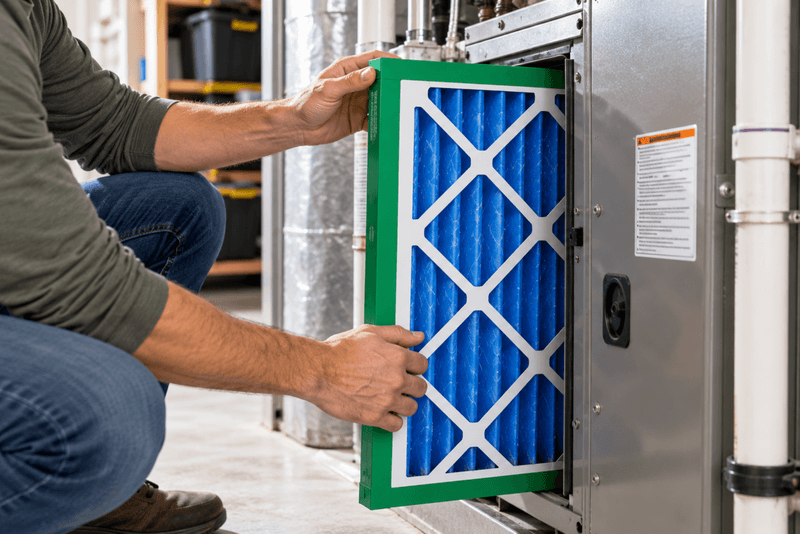
Install a MERV 13 filter in your size, such as a 16x25x1, with its airflow arrow pointing toward the furnace. It's the whole-home layer.
Switch the thermostat fan from "Auto" to "On." Auto only filters while heating or cooling; On filters continuously.
Run a portable HEPA cleaner in each occupied room, bedrooms first. It's the room layer, and it works alongside the furnace filter, not instead of it.
Close windows and doors when it's safe and cool enough, and skip candles, frying, smoking and vacuuming without a sealed HEPA vacuum.
Fit check: Confirm the size, as you would with any filter. If you're unsure your system takes MERV 13, the EPA suggests asking your HVAC technician or the system's manufacturer.
Changing filters during smoke: Check the filter after every smoke event and replace it once it turns dark brown or grey or smells like smoke, as the EPA advises. That can be well before its normal interval, so keep a spare MERV 13 Optimal filter on hand.
Without central heating or air: In apartments, condos and homes without ductwork, portable HEPA cleaners are your main layer, not an extra. The EPA's cleaner air room guidance says to choose one whose smoke CADR (clean air delivery rate) is at least two-thirds of the room's square footage, so a 300 sq ft (28 m²) bedroom needs a smoke CADR of about 200. Pick a certified unit that makes little or no ozone. A box-fan cleaner built with MERV 13 filters is a reasonable stopgap: the EPA says to use a UL- or ETL-certified fan made in 2012 or later and to never leave an older fan running unattended.
Filterbuy's honest take on MERV 13: We make MERV 13 filters, and they don't remove all smoke, especially the finest particles, a City of Vancouver filtration study found. Pleated filters capture particles, not the gases behind the smoky smell; for odours, see our Odour Eliminator filters.
Supporting Statistics: What U.S. Research Shows
About 90% of our time is spent indoors. According to the U.S. EPA's Report on the Environment, Americans spend approximately 90% of their time indoors, where some pollutants are often 2 to 5 times higher than typical outdoor levels.
Indoor smoke still nearly tripled, even in closed-up buildings. A 2021 PNAS study of more than 1,400 California buildings found that closing up and filtering cut the share of outdoor fine particles reaching indoors from about 40% to 20% on wildfire days. Indoor PM2.5, the fine particles in smoke, still nearly tripled, though buildings with air conditioning or filtration fared better (Liang et al., 2021).
An upgraded MERV 13 setup delivered 123% more clean air. In 2022 EPA lab tests, a box-fan cleaner with a 4-inch MERV 13 filter and cardboard shroud reached a smoke CADR of 248, versus 111 for the basic 1-inch design. Dirty filters made the units almost completely ineffective (EPA research on DIY air cleaners).
When Should I Change My Furnace Filter? A North Shore Home Air Calendar
Smoke season runs straight into heating season here, so Filterbuy built this calendar:
Filterbuy recommendations. Filter-change signs from the U.S. EPA; fire ban dates from the BC Wildfire Service.
Filterbuy's planning estimate: That's roughly five to seven filters per return each year, depending on the summer. Subscribe and Save can keep you on schedule; edit, skip or cancel anytime.
What Should I Do If I See Smoke or Fire in the City of North Vancouver?
If flames threaten people or homes, call 9-1-1. Report a wildfire or abandoned campfire at *5555 from a cellphone, 1-800-663-5555 toll-free or "Report a Fire" in the BC Wildfire Service app.
The North Vancouver City Fire Department responds first, and North Shore Emergency Management sends evacuation alerts through Alertable. When you sign up, select all three North Shore municipalities.
Keep a grab-and-go kit ready; the CWPP names the Upper Levels Highway and Marine Drive as the main routes out of the city.
Frequently Asked Questions
Is There a Wildfire in the City of North Vancouver Today?
Search "North Vancouver" on the BC Wildfire Service map. Large fires here are rare: records from 1919 to 2019 show none within city limits.
Where Can I See a Smoke Map for the City of North Vancouver Today?
Use the live map at the top of this page or the FireSmoke Canada forecast, then confirm conditions on Metro Vancouver's AirMap.
What MERV Rating Do I Need for Wildfire Smoke?
MERV 13. Filterbuy recommends it from an AQHI of 7, alongside the fan on "On," portable HEPA cleaners in occupied rooms and closed windows. For health advice, call HealthLinkBC at 8-1-1.
Glossary
AQHI (Air Quality Health Index): Canada's 1-to-10+ scale for the health risk of current air pollution.
MERV (Minimum Efficiency Reporting Value): A rating of how well a furnace filter captures airborne particles. Filterbuy labels MERV 8 Standard, MERV 11 Superior and MERV 13 Optimal; our guide to MERV ratings explains more.
PM2.5: Fine particles 2.5 micrometres or smaller, the main harmful part of wildfire smoke.
Breathe Easier This Heating Season
Start the heating season with a fresh filter. Find your size in Filterbuy's MERV 13 Optimal range, with free shipping to Canada and prices in CAD.
Questions? Call (855) 345-8289 or email info@filterbuy.com.
Related reading: Filterbuy's Wildfire & Smoke resource hub · Real-time wildfire and smoke maps with AQI · Best air conditioner filter for wildfire smoke
Sources
City of North Vancouver Community Wildfire Protection Plan (2020, updated 2022)
BC Wildfire Service: Coastal Fire Centre open fire prohibitions, 5 May 2026
FireSmoke Canada current smoke forecast (BlueSky Canada, UBC)
Island Health, FNHA and HEMBC: Wildfire smoke information, spring 2024
Integral Group for the City of Vancouver: Filtration Study (2021)
Liang et al. (2021), PNAS 118(36), via NOAA Institutional Repository
U.S. EPA: Research on DIY Air Cleaners to Reduce Wildfire Smoke Indoors